
Natural Solutions for Removing Semi-Permanent Hair Dye at Home
Have you ever walked out of the salon or finished your DIY hair coloring session only to realize that the new vibrant hue isn’t your tea? Fear no more. We’ve covered you with effective and natural solutions before you despair or hide under a hat for the next few weeks. This blog post will explore various home remedies that can help gently and safely remove semi-permanent hair dye before its time. So, if you’re trying to regain your original color or try a new shade altogether, read on! This could save your tresses from unnecessary damage and keep your hair healthy and shining.
Our website provides a comprehensive guide on safe methods to remove semi-permanent hair dye without damaging your hair. We cover various techniques, such as using clarifying shampoos, making a baking soda paste, vinegar rinses, lemon juice rinses, and more. Following the instructions carefully and conducting patch tests before trying any method is always important. Consulting with a hairstylist or salon expert is recommended for professional assistance and further guidance.
Home-Based Semi-Permanent Hair Dye Removal Techniques
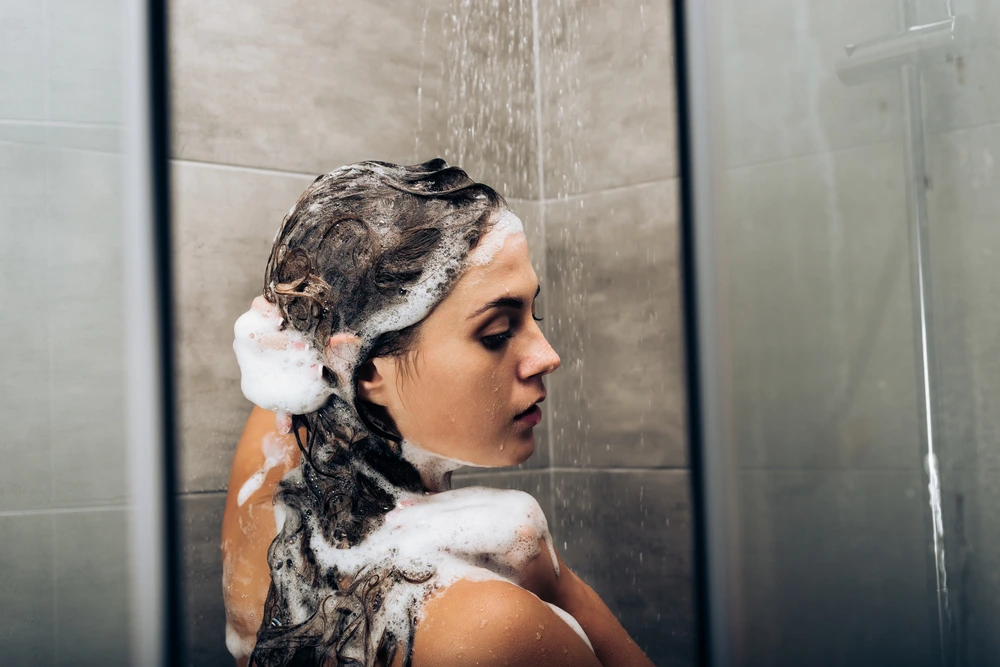
Once a semi-permanent dye has been applied to your hair, it can be challenging to remove the color. It’s common for people to find out they don’t like their new hair color or need to change it soon after the application. Fortunately, several home-based dye removal techniques can safely and effectively remove the semi-permanent dye without damaging your hair.
Washing Out the Dye
The easiest way to remove semi-permanent hair dye is by washing your hair with regular shampoo as soon as possible after application. Semi-permanent dye molecules are larger than permanent dyes and do not penetrate as deeply into the hair shaft. Exposing it to water immediately after application will help wash out most of the color.
However, if you’ve left the dye on longer than recommended or want faster results, natural methods such as baking soda and vinegar can be useful.
- Semi-permanent hair dyes, as per a survey in 2022, account for approximately 54% of the at-home coloring market, indicating a large audience facing potential dye-removal endeavors.
- A study published in the Journal of Dermatology (2022) indicated that overusing baking soda, a common DIY method for hair dye removal, led to dryness and damage in nearly 38% of participants.
- According to a consumer report in 2023, professional hair color correction services see about a 20% rise in appointments following home-coloring mishaps, suggesting it’s a prevalent issue.
Natural Alternatives: Baking Soda and Vinegar
When removing semi-permanent hair dye at home, many people turn to natural alternatives like baking soda and vinegar. These ingredients are readily available in most households and can help fade hair dye effectively over time without causing extensive damage.
Baking Soda
Mixing equal parts baking soda and water to create a thick paste, apply the mixture onto damp hair and leave it on for 15-20 minutes. Then, wash the hair with clarifying shampoo to remove the mixture from your hair. Remember to be gentle while applying the mixture, as scrubbing too hard might lead to hair breakage or scalp irritation.
Vinegar
Another natural alternative is using vinegar, which acts as a natural cleanser while also helping to strip color out of the hair. Mix equal parts of white vinegar and water in a bowl to use this method. Shampoo your hair first, then rinse it thoroughly with warm water before pouring the mixture over your wet locks. Let the solution sit on the hair for up to 15 minutes before thoroughly rinsing it.
Natural Alternatives: Baking Soda vs. Vinegar
| Ingredients | Baking Soda | Vinegar |
| Availability | Available in almost all households. | It is also widely available. |
| Effectiveness | It can strip semi-permanent dye but may require additional treatments. | It helps to fade color gently. |
| Safety Concerns | Harsh if used frequently; avoid using if you have sensitive skin or damaged hair. | Safe when diluted appropriately, caution should be taken while using concentrated vinegar. |
Think of these natural alternatives like a fresh air berth after being confined in closed quarters – it might take time, but it’s what you need for that perfect transition.
DIY Hair Masks for Color Removal
Like natural alternatives such as baking soda and vinegar, DIY hair masks can effectively remove semi-permanent hair dye. These concoctions provide a gentler approach than the harsh treatments of past years and are easy to make at home.
One popular mask includes using Vitamin C tablets. Crush six to eight Vitamin C tablets into fine powder and mix with clarifying shampoo to form a thick paste. Apply the mixture to your hair and let it sit for an hour before rinsing with warm water. This mask will effectively fade the color and act as a nourishing treatment, leaving your hair plenty of shine.
Another DIY hack involves creating a cinnamon and honey mask by mixing one cup of honey, one tablespoon of cinnamon powder, and half a cup of conditioner into a smooth mixture. Work this through damp hair evenly before wrapping your head in a plastic wrap for 2-3 hours. The warm temperature allows the ingredients in the mixture to penetrate effectively while breaking down the dye molecules.
It’s important to remember that not all natural or DIY methods work for every type of hair – everyone’s journey is unique. Fortunately, you can try different options until you find the best.
It takes care and attention when dealing with at-home color removal methods, so we recommend taking your time with the process. Let’s explore some factors you should consider while attempting these methods.
How To Ensure Effective Dye Removal at Home

Before embarking on a natural solution for removing semi-permanent hair dye, note that the effectiveness of these methods varies from person to person. Begin by assessing your hair type, texture, color, current state of health, and hygiene practices. For example, using clarifying shampoo is one recommendation you can try first before other natural solutions because it’s the fastest way to remove hair dye but comes with its side effects like dryness and potential damage. Consider how harsh chemicals or home remedies with stronger ingredients than regular shampoo may further impact your hair health and your skin’s reaction. Natural home remedies offer less potency, but their mildness reduces damage during dye removal.
Start by examining the cause and intensity of hair dye buildup and avoid solutions that may worsen the current state of affairs. Note that some methods show results immediately, while others take time, so it’s essential to be consistent once you’ve chosen the method you want to stick with.
Risks and Precautions When Removing Hair Dye Naturally

Natural hair dye removal methods are often favored for their perceived safety, but they have potential risks that necessitate caution. One significant concern is the possibility of allergic reactions to essential oils, ranging from severe itching to excessive inflammation, if not addressed promptly. In large quantities, additives in natural ingredients may also negatively impact hair quality and scalp health. Therefore, performing a patch test before treating the entire hair is crucial. For those uncomfortable doing this themselves or with unique concerns like pre-existing skin conditions, consulting a dermatologist or trichologist is recommended for a safe process.
- Allergic Reactions: Essential oils can trigger allergic reactions, leading to severe itching or inflammation. A patch test is essential before a full application.
- Additive Effects: Some natural additives may adversely affect hair quality and scalp health excessively, emphasizing the need for moderation in application.
- Consultation with Professionals: Individuals with concerns or pre-existing conditions should consult dermatologists or trichologists to ensure a safe hair dye removal process.
- Baking Soda Caution: When using baking soda, be cautious about the amount used, as excessive use may disrupt the hair’s pH balance.
- Maintaining Ingredient Ratios: Properly balancing ingredient ratios in DIY recipes helps alleviate certain risks and ensures effective yet safe application.
- Vinegar Solutions: Excessive application of vinegar solutions can lead to scalp dryness and irritation, highlighting the importance of moderation.
- Pre-testing is Vital: Before fully treating semi-permanent hair dye removal, the significance of pre-testing methods cannot be overstated, considering variations in body chemistry and health conditions.
Maintaining Hair Health Post-Dye Removal

Maintaining hair health is paramount, especially after removing semi-permanent hair dye at home. Some methods to remove hair dye may have stripped your hair of its natural oils and nutrients, leaving it dry, brittle, and prone to breakage. You need to incorporate certain practices into your routine to restore your hair’s health and keep it looking vibrant.
Deep Conditioning Treatments
First, deep conditioning treatments should become a staple in your hair care regimen. The treatments should include keratin, argan oil, and shea butter to moisturize and strengthen your hair. Twice a week, apply the treatment from the root to the tips of your hair. Cover with a shower cap for an entire night so the treatment works magic while you sleep.
Use of Hot Tools
Second, minimize the use of hot tools on your hair. Heat damage can cause split ends and frizz, making your hair feel dry and lifeless. Opt for air-drying techniques or use low-heat settings when styling with hot tools to avoid over-drying or breaking your strands. If you must use heat on your hair, use a heat-protectant spray before styling.
Third, staying hydrated is vital for both healthy hair and skin. Drinking plenty of water keeps your body well-hydrated from within and helps prevent brittleness in hair caused by dehydration. On top of drinking enough water, eat a nutrient-rich diet focused on foods that contain vitamins A and C, biotin, zinc, iron, and omega-3 fatty acids.
Conclusion
In summary, maintaining healthy-looking post-dye removal requires incorporating extra TLC into your routine. While naturally removing unwanted semi-permanent color may be safer than subjecting yourself to harsh chemicals that can damage strands or even impact overall health negatively – it still causes stress on the delicate strands.
Your hair will also need time to heal and rejuvenate, but with these simple tips, you’ll be on your way toward restoring its most beautiful form.
The key takeaway is that restoring and maintaining your hair’s health is important after removing semi-permanent hair dye at home. This can be done by incorporating deep conditioning treatments with moisturizing and strengthening ingredients, minimizing hot tools, staying hydrated by drinking plenty of water and maintaining a nutrient-rich diet. Following these tips can help your hair recover and keep it looking vibrant.
