
Hair Care Tips for Healthy Hair: Shiny and Lustrous Locks
Unleash your hair’s full potential with our comprehensive guide on hair care tips for healthy, shiny, and lustrous locks. From home remedies to salon secrets, we delve into the essence of maintaining a just as glamorous mane as you are. In the age where your hair speaks volumes about your personality, flawless tresses are not merely a desire but a necessity! So, read further and embrace these nourishing techniques for healthier strands that will be the envy of all eyes.
Practicing good hygiene by washing with a mild shampoo and conditioner duo is important to maintain healthy hair. Using a wide-toothed comb or brush is also recommended to detangle wet hair and avoid tight hairstyles that pull on it. A protein-rich diet, vitamins, and minerals is essential for healthy hair growth. Additionally, minimizing heat styling tools and harsh chemicals, using leave-in conditioner, deep conditioning with a hair mask regularly, and getting regular trims can help prevent split ends and promote healthier human hair growth. Consult a dermatologist or hair care professional for personalized advice on maintaining healthy hair.
Tailoring Your Hair Care Routine
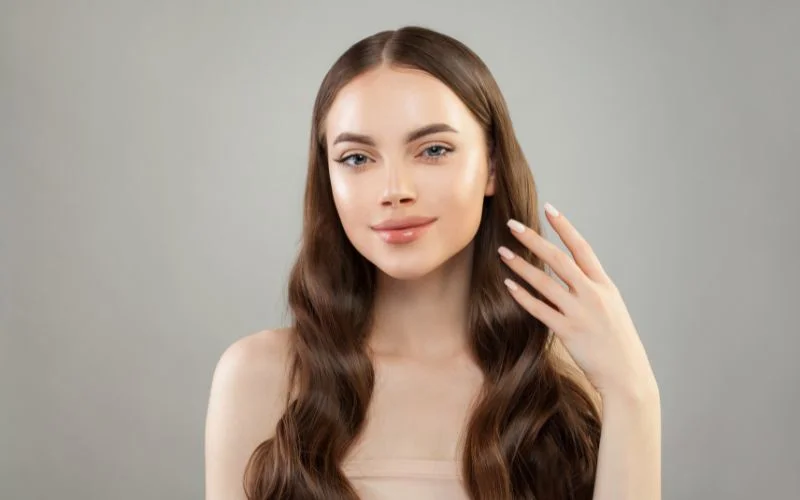
A well-tailored hair care routine is essential for achieving and maintaining healthy, shiny, and lustrous locks. Everyone’s hair is unique, so it’s important to understand your needs and customize your routine accordingly. For instance, if you have dry and damaged hair, your focus might be on moisturizing and repairing treatments, while if you have oily hair, you may need to prioritize cleansing and oil-control products.
When tailoring your hair care routine, there are a few key factors to consider. Firstly, analyze your hair type – whether straight, wavy, curly, or coily – as different textures have specific needs. This will help you determine the right products and techniques to use. Additionally, assess any particular concerns, such as frizz, dandruff, or excessive breakage, as these can guide you toward targeted solutions.
It’s also important to take into account your lifestyle and daily activities. For example, suppose you frequently use heat styling tools or expose your hair to environmental stressors like sun or chlorine from swimming pools. In that case, you may need to incorporate protective measures into your routine.
Consistency is key when it comes to maintaining healthy hair. Establish a regular washing schedule that suits your hair type and lifestyle. Overwashing can strip the hair of its natural oils, leading to dryness, while under-washing can lead to product buildup and scalp issues.
In addition to regular washing, incorporate other essential steps into your routine, such as conditioning after every wash to lock in moisture and using deep conditioning treatments at least once a week for an extra boost of hydration and repair.
Lastly, remember the importance of a healthy diet and lifestyle habits. Nourishing your body with a balanced diet rich in vitamins, minerals, and Omega-3 fatty acids can promote healthier hair growth from within. Drinking water, getting enough sleep, and managing stress also benefit hair health.
Once you have established a personalized hair care routine, choose suitable products that cater to your needs.
- To achieve and maintain healthy and lustrous hair, it’s essential to tailor your hair care routine according to your unique hair type, concerns, and lifestyle. Consistency is key, so establish a regular washing schedule, incorporate conditioning after every wash, and deep conditioning treatments at least once a week. In addition to a personalized hair care routine, nourish your body with a balanced diet rich in nutrients, drink plenty of water, get enough sleep, and manage stress levels for overall hair health. Remember to choose suitable products that cater to your specific needs.
Choosing Suitable Hair Products
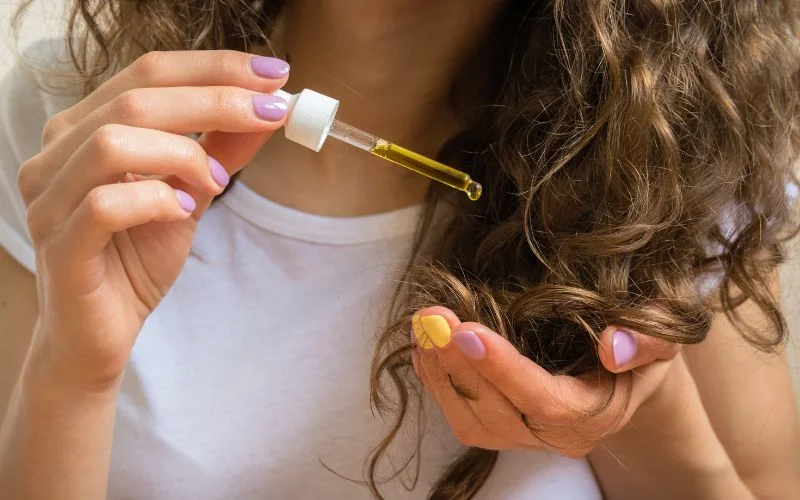
With countless options available, finding the right hair products can be overwhelming. However, understanding your hair type and concerns makes it easier to navigate through the variety of choices.
Begin by identifying your hair’s unique characteristics, such as texture (straight, wavy, curly, or coily), thickness, and porosity. This knowledge will guide you in selecting products that address your specific needs. For example, those with fine hair may prefer lightweight volumizing shampoos and conditioners to avoid weighing down their locks. On the other hand, individuals with thick or coarse hair might benefit from more moisturizing and nourishing formulas.
If you struggle with dry and damaged hair, opt for products that contain hydrating ingredients like hyaluronic acid or squalane to boost moisture levels. Look for shampoos and conditioners specifically formulated for repairing damaged strands. Incorporating leave-in treatments or serums with plant proteins and fatty acids can provide extra nourishment and protection against further damage.
Another important consideration when choosing suitable hair products is to check the ingredient list. Avoid products that contain sulfates, parabens, and alcohol, as these can strip the hair of its natural oils and cause dryness or irritation. Instead, opt for products with natural and nourishing ingredients like botanical extracts, essential oils, and vitamins.
Selecting those that align with your desired look while maintaining hair health is crucial when styling products.
Incorporating Consistent Hair Treatments
Healthy hair requires consistent care and attention. By incorporating regular hair treatments into your routine, you can restore and maintain the health of your locks. Various treatments available in 2023 have proven to be highly effective in promoting hair growth and enhancing the overall condition of your hair.
One popular treatment is Follicular Unit Extraction (FUE), which involves extracting individual hair follicles from a donor area and implanting them into the balding or thinning areas on your scalp. This technique allows for natural-looking results and minimal scarring. Another option is Direct Hair Implantation (DHI), where hair follicles are directly implanted into your scalp without requiring extraction. Due to their effectiveness and minimally invasive nature, FUE and DHI have gained recognition as the gold standards in hair transplant techniques.
| Treatment | Description |
| FUE | Involves extracting individual hair follicles from a donor area and implanting them into the balding or thinning areas on your scalp. |
| DHI | Directly implants hair follicles into the scalp without extraction. |
| Advanced Laser Therapy | Utilizes advanced laser technology to stimulate hair follicles and promote growth. |
| Stem Cell Therapy | It uses stem cells to stimulate hair follicles and encourage new growth. |
| Platelet-Rich Plasma (PRP) Therapy | Injects platelet-rich plasma, derived from your blood, into the scalp to stimulate hair follicles and promote regrowth. |
Alongside these advanced treatments, it’s important not to neglect other essential aspects of hair care. Regularly moisturizing your hair with deep conditioning masks can provide hydration and nourishment. Additionally, incorporating a weekly oil massage for your scalp using natural oils like coconut or argan oil can help improve circulation and strengthen the hair follicles. Remember, consistency is key to achieving and maintaining healthy hair.
With consistent hair treatments as the foundation of your hair care routine, next, we will prioritize scalp health for robust locks.
Prioritizing Scalp Health for Robust Locks
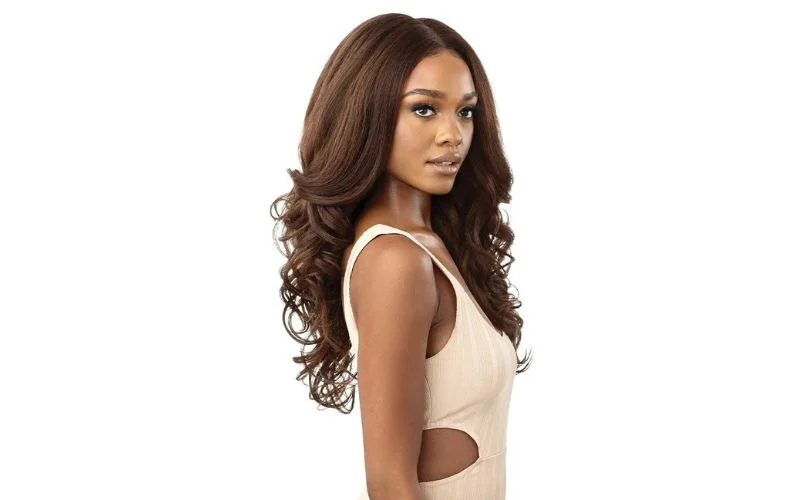
A healthy scalp is the perfect environment for promoting hair growth and maintaining lustrous locks. To prioritize scalp health, addressing common issues such as dryness, dandruff, and inflammation is important.
One vital step in maintaining a healthy scalp is regular cleansing. Ensure you use a mild shampoo that suits your hair type and avoids harsh chemicals that may strip away natural oils. Additionally, consider incorporating a clarifying shampoo once a month to remove any product buildup that may suffocate the scalp and hinder hair growth.
If you’re struggling with dandruff or an itchy scalp, anti-dandruff shampoos containing ingredients like ketoconazole or pyrithione zinc can be beneficial. These ingredients reduce fungal overgrowth on the scalp, which is often one of the underlying causes of dandruff.
For individuals with dry scalps, incorporating scalp moisturizers or serums into your routine can help combat dryness and flakiness. Look for products that contain hydrating ingredients like hyaluronic acid or aloe vera.
| Scalp Concern | Recommended Solution |
| Dandruff | Use anti-dandruff shampoos containing ingredients such as ketoconazole or pyrithione zinc to reduce fungal overgrowth on the scalp. |
| Dryness | Incorporate scalp moisturizers or serums with hydrating ingredients like hyaluronic acid or aloe vera to combat dryness and flakiness. |
| Inflammation | Look for scalp treatments or tonics containing anti-inflammatory ingredients such as tea tree oil or peppermint oil to soothe and reduce inflammation on the scalp. |
In addition to addressing specific concerns, regular scalp massages can help promote circulation, stimulate hair follicles, and keep the scalp healthy. You can use your fingers or a scalp brush to gently massage the scalp in circular motions for a few minutes daily.
Remember, maintaining a healthy scalp is essential for overall hair health. You provide the foundation for strong, shiny, and lustrous locks by prioritizing scalp care.
Methods to Hydrate the Scalp
Having a hydrated scalp is crucial for maintaining healthy, shiny hair. The dryness of the scalp can lead to various issues, such as dandruff, itching, and even hair loss. Fortunately, there are several effective methods to keep your scalp well-hydrated.
One common method is regular moisturizing using scalp treatments or oils specifically designed for this purpose. These products often contain nourishing ingredients like natural oils (such as coconut or jojoba oil) and humectants that help attract and retain moisture in the scalp.
Take Gisou Honey-Infused Scalp Treatment Serum, for instance. It has gained popularity for its ability to moisturize the scalp effectively. Formulated with honey and a lightweight, milky texture, it provides deep hydration without weighing the hair down. However, it’s worth noting that some individuals with sensitive scalps might be irritated by certain fragrances in this product.
Another method to hydrate your scalp is through regular use of scalp exfoliation. Just as our skin benefits from exfoliation to remove dead cells and debris, the scalp can also benefit from this practice. Products like the Bread Beauty Supply Scalp-Serum: Cooling Greens Exfoliating Scalp Treatment utilize gentle acids to chemically exfoliate dead skin and flakes while moisturizing the scalp with nourishing ingredients like sunflower seed oil, vitamin E, and arginine.
Imagine this: you gently massage the exfoliating treatment onto your scalp in circular motions, feeling a refreshing sensation as you remove buildup and unclog your hair follicles. It’s a vital ritual that promotes hydration and creates a healthier environment for hair growth.
Additionally, incorporating a humidifier into your living space can help combat dryness on your scalp and overall well-being. By increasing moisture levels in the air, a humidifier counteracts the drying effects of indoor heating or air conditioning systems.
Lastly, don’t underestimate the power of maintaining a healthy lifestyle. Proper hydration is key for your scalp and entire body, including your hair. Ensure you drink enough water and eat a well-balanced diet rich in fruits, vegetables, and healthy fats.
Nutrition’s Role in Hair Health

Now that we’ve explored various methods to keep our scalps hydrated, let’s dive into the role nutrition plays in ensuring the health of our hair.
Our hair health is intricately connected to the nutrients we consume. A nutrient-rich diet provides the building blocks for strong, shiny, and lustrous locks. Here are some essential foods you should consider incorporating into your diet:
- Protein: Hair is primarily made up of protein, so consuming an adequate amount is crucial to support its growth and strength. To ensure sufficient protein intake, include lean meats, poultry, fish, eggs, legumes, nuts, and seeds.
- Omega-3 Fatty Acids: These healthy fats are vital in nourishing both the scalp and hair follicles. Foods rich in omega-3 fatty acids include fatty fish (like salmon and mackerel), avocados, walnuts, flaxseeds, and chia seeds.
- Vitamin C: This vitamin aids in collagen production, which is necessary for hair structure and strength. Citrus fruits (such as oranges and lemons), strawberries, kiwis, bell peppers, and dark leafy greens are excellent sources of vitamin C.
- Iron: Iron deficiency can lead to hair loss or thinning. Incorporate iron-rich foods like lean meats, spinach, kale, lentils, beans, and fortified cereals into your meals.
- Biotin: Also known as vitamin B7, biotin supports hair growth and overall scalp health. Eggs, almonds, sweet potatoes, spinach, and berries are all good sources of biotin.
By prioritizing a nutritious diet incorporating these essential foods, you can provide your hair with the nutrients necessary to thrive.
Now that we understand the significance of nutrition in maintaining healthy hair let’s explore other aspects of an effective hair care routine.
Essential Foods for Lustrous Hair
Proper nutrition plays a significant role in maintaining healthy and lustrous hair. While external hair care products can provide some benefits, the real nourishment begins from within. Including certain essential foods in your diet can help promote hair growth, prevent breakage, and enhance overall hair health.
One vital nutrient for hair health is protein. Hair strands are primarily composed of a protein called keratin, so consuming an adequate amount of protein-rich foods is crucial. To ensure sufficient protein intake, include lean meats, fish, eggs, and dairy products.
Another key nutrient for healthy hair is iron. Iron helps carry oxygen to the hair follicles, promoting growth and strength. Incorporate iron-rich foods like lentils, spinach and lean meats like chicken or turkey into your meals.
Let’s take a closer look at the impact of specific foods on your hair health:
- Vitamin C-rich foods: Strawberries stimulate hair growth by increasing blood flow to the scalp and hair follicles.
- Egg yolks: Egg yolks are a good source of biotin, which helps produce keratin and promote hair growth.
- Fatty fish like salmon: These contain Omega-3 fatty acids, protein, selenium, and vitamins B and D, all contributing to healthy hair growth.
- Spinach: It is rich in iron, vitamin A, and vitamin C. Vitamin C acts as an antioxidant, protecting against oxidative stress that can affect hair growth.
- Nuts and seeds: They provide Omega-3 fatty acids, vitamin E, and zinc that protect hair follicles from oxidative stress and support healthy hair.
- Sweet potatoes: High in vitamin A, biotin, and vitamin C – all promoting hair growth.
- Carrots: Carrots are high in vitamins A and C; carotenoids protect against UV damage for healthy hair and skin.
- Broccoli: High in vitamins A, C, and biotin, supporting scalp health and keratin production for healthy hair growth.
- Plain yogurt: Plain yogurt is high in biotin and vitamin A, both beneficial for healthy hair.
- Red bell peppers: High in vitamins C and A – vitamin C promotes collagen production, while vitamin A supports sebum production for scalp health.
Remember, a balanced diet with essential foods is key to optimal hair health. Nourish your hair from the inside out!
Preserving Hair Health While Styling
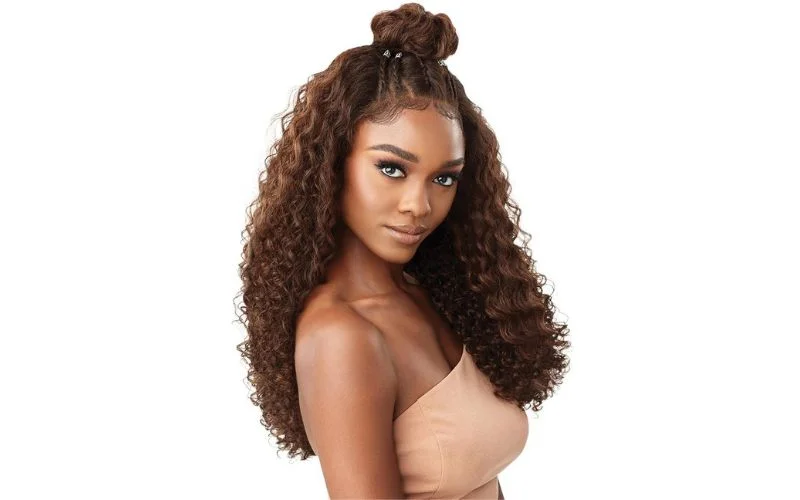
Maintaining lustrous locks isn’t just about what you eat; it’s also about how you style your hair. While styling can enhance our appearance, excessive heat, chemical treatments, and poor styling practices can lead to damage and breakage. However, with the right techniques and care, you can preserve your hair’s health even when styling regularly.
Imagine this: You’ve got a special event and want to curl your hair for the occasion. But you’re concerned because heat styling tools can be harsh on your locks. Fear not! You can take steps to minimize damage while still achieving those glamorous curls.
First and foremost, always protect your hair by applying a heat-protectant spray or serum before using any hot styling tools. This creates a barrier between your precious strands and the high temperatures, reducing the potential damage caused by heat.
Another important consideration is limiting the frequency of heat styling. Excessive use of flat irons, curling irons, or blow dryers can cause dryness and weaken the protein structure of your hair. Aim to reduce heat styling as much as possible or opt for alternative methods like air-drying or using cool tool settings.
Additionally, remember to handle your hair gently when styling. Avoid pulling or tugging too harshly, especially when using brushes or combs. Use wide-toothed combs or brushes designed for detangling to minimize breakage and prevent unnecessary strand stress.
Now that we’ve covered techniques for preserving hair health while styling, you can confidently rock beautiful hairstyles without sacrificing the health of your locks.
Techniques to Minimize Hair Damage

Proper hair care is essential for maintaining healthy, shiny, and lustrous locks. One crucial aspect of hair care is minimizing damage to your precious strands. Whether from heat styling tools, chemical treatments, or rough handling, reducing hair damage can significantly improve your hair’s overall health and appearance.
One technique to minimize hair damage is avoiding excessive heat styling tools. While they may help create stunning hairstyles, frequent and prolonged exposure to high temperatures can lead to dryness, breakage, and split ends. Opt for air-drying your hair whenever possible instead of relying on hot blow dryers. If you use heat styling tools, apply a heat protectant spray or serum beforehand to create a barrier between your hair and the heat.
You enjoy using a flat iron to achieve sleek, straight hair. Instead of using the highest heat setting, try lowering it and passing the iron through each section once or twice maximum. Additionally, consider giving your hair occasional breaks from heat styling by embracing natural hairstyles that don’t require heat.
Another technique is to be gentle with your hair when brushing or combing. Harshly tugging at tangled strands can cause breakage and weaken the hair shaft. To minimize this risk, gently detangle your hair with a wide-toothed comb or a brush designed for wet hair. Begin at the ends first and work your way up slowly, being patient and careful not to pull or yank at knots. Consider using a leave-in conditioner or detangling spray to make the process easier.
In addition to heat styling and brushing techniques, there are other measures you can take to minimize hair damage.
Protecting your hair from excessive sun exposure is also crucial in minimizing damage. Like our skin, our hair can be affected by harmful UV rays from the sun. Prolonged sun exposure can lead to dryness, color fading, and weakening of the hair structure. To minimize this damage, wear hats or scarves when spending extended periods outdoors, especially during peak sunlight hours. If you cannot cover your hair, consider using products with UV protection to shield your strands from the sun’s harmful rays.
Lastly, pay attention to the products you use on your hair. Harsh shampoos and conditioners containing sulfates and other drying ingredients can strip your hair of its natural moisture, leaving it prone to damage. Opt for gentle, sulfate-free formulas specifically designed for your hair type. Additionally, limit your use of chemical treatments such as relaxers, perms, and colorants, as these processes can weaken and damage the hair if not done properly or too frequently.
By implementing these techniques to minimize hair damage, you’ll significantly enhance the health and appearance of your locks. Remember that healthy hair requires consistent care and attention. Find a routine that works best for you and stick to it, allowing your hair to thrive in all its shiny and lustrous glory.
