
A Complete Guide To Hair Color Correction: Tips and Techniques
Imagine walking into a salon, hoping for a fresh new hair color but leaving with a look far from your dreamy expectations. Maybe the shade is too dark, or the highlights are too brassy – an unfortunate reality some of us face. Don’t panic! Hair color disasters are not a life sentence and can be fixed with the right knowledge and technique. This comprehensive guide enlightens you about ‘Hair Color Correction,’ a lifesaver in hair mishaps. Get ready to dive deep into the magic behind restoring balance and achieving the perfect hue your locks desire and deserve!
Hair color correction is a salon service that aims to fix uneven or undesirable hair colors. It involves techniques such as adjusting tonality, neutralizing unwanted brassy tones, and significantly changing from dark to light hair. The process typically includes lifting existing color with bleach, applying toner to achieve the desired shade, and ensuring the hair’s health throughout the correction. However, it’s important to consult with a professional colorist to determine the best plan for your specific needs.
Understanding Hair Color Correction

Color correction in hair is a salon service that aims to correct the tone or color of the hair. It includes fixing uneven color, brassy tones, banding, and drastically changing from dark to light hair. The service involves removing pigment or adding new pigments to the existing hair color to achieve the desired results.
For example, you may want to change your hair color from black to blonde with minimal damage. This process involves lifting your natural pigment out of your hair – which can affect your strands’ overall health and quality – before depositing blonde pigments back into it.
Before embarking on coloring or correcting sessions, there are some factors to consider, like the health of your hair, products used previously, budget for maintenance appointments, and timeframes set for achieving ideal results.
Common Color Mistakes and How to Correct Them
Despite our best efforts, we’ve all made mistakes at least once when coloring our hair at home or professionally. Common issues include hot roots, damage from bleaching over previously lightened hair, patchiness, or unwanted bands of color.
One recurring issue is using box dye formulas instead of visiting a salon professional. Box dyes might be convenient and cost-effective initially but can lead to common issues like hot roots where the scalp becomes lighter than the rest of the hair; shampooing immediately after box-dye use is also not recommended as it strips away some of the pigments too quickly after application.
Another mistake is attempting to correct at-home box dye with more home remedies such as lemon juice or baking soda that only exacerbate the damage further.
Depending on their severity, several options are available to correct these color mistakes, including waiting for the damaged areas of hair to grow naturally or scheduling an appointment with a professional stylist for consultation and treatment recommendations.
Despite this common practice of correcting color-related missteps through at-home remedies, it’s important to note that colored hair requires expert care due to the varying products and chemicals used in each situation. While a consultation fee might be charged for professional service, the results are often more satisfactory in the long run, with minimal harm to your hair.
Especially with more severe mistakes like bands of color, repairing them will most certainly require assistance from a salon expert.
Now that we’ve learned about common color errors and their possible corrections let’s explore different methods professionals use to achieve optimal color correction results.
At-Home vs. Salon Color Correction Techniques
Like a DIY project around the home, opting for an at-home color correction technique can seem cost-effective; however, it can lead to further damage and more expensive repairs in the long run. It’s always best to consult a salon professional who has experience with hair color correction.
While at-home solutions may work for minor issues such as refreshing brassy tones, they’re not always suitable for drastic changes or fixing problems created by box dye formulas. Besides, it’s easy to miss spots or cause uneven coloration without the correct tools and expertise.
In contrast, salons have the necessary equipment and experienced professionals who can assess your hair shade and recommend the best action. Your stylist may suggest a range of treatments, such as toning or full-color change, depending on your goals and what is required to achieve them.
Now that we’ve highlighted why professional hair color correction is preferable over at-home techniques, let’s discuss the process involved.
- According to the American Academy of Dermatology, approximately 75% of women in the U.S. dye their hair, and a significant portion of these individuals later seek color correction services.
- A survey conducted by Schwarzkopf in 2018 reported that almost 43% of women who dye their hair at home are unhappy with the results, highlighting the need for professional color correction.
- The Global Hair Color Market was estimated at $22.4 billion in 2019, reflecting significant consumer interest and investment in hair color products and services, including corrections.
- It is always best to consult a salon professional for hair color correction rather than attempting it at home. At-home solutions may work for minor issues but are unsuitable for drastic changes or fixing problems caused by box dye formulas. Salons have the necessary equipment and experienced professionals who can assess your hair shade and recommend the best action. They may suggest treatments such as toning or full-color change depending on your goals and what is required to achieve them.
Process and Duration of Hair Color Correction
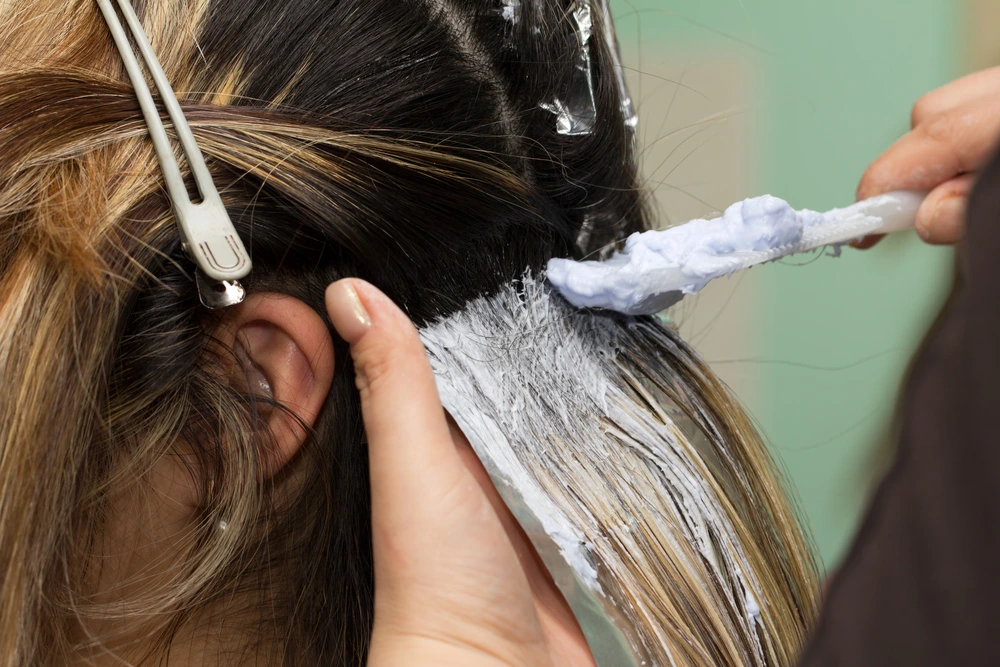
The duration of color correction appointments varies based on individual needs, but you should expect them to last several hours. The process involves many steps: consultation, prepping for treatment, assessing current hair shade, color application, processing time, rinsing off color or bleach residue, toner application if needed, and final styling.
If you have previously dyed your hair black but want a sun-kissed blonde look, your stylist must first use a color remover or bleach to lift your hair’s dark pigments. This process could take several hours depending on how pigmented the dye job was initially and how long ago it was applied.
Once your hair has been lifted to the desired lightness level (usually yellow), the toner application stage comes. This step ensures that any undesirable brassy or yellow tones that may have been left behind after bleaching are neutralized for a more natural-looking result.
After the toner has been applied and processed, most corrections require conditioning treatment to restore moisture and strength to the hair. The following table outlines an estimated duration of time required as well as an approximate price range for different types of correction treatments:
| Hair Issue | Treatment | Time Required | Price Range |
| Uneven color | Balayage (partial highlights) | 3-4 hours | $150-$300 |
| Brassy Tones | Toning Treatment | 2-3 hours | $100-$200 |
| Dark to Light Color Change | Bleaching and Toning, Conditioning Treatment | 6-8 hours | $300+ |
It is essential to note that all of these numbers could vary by salon location, skill level of the stylist, and the extent of the correction needed. Some people are hoping for a drastic change in their hair color, however it is important to have realistic expectations and be patient with the process. Rushing through a color correction can result in further damage to your hair, so be sure to book a consultation with a colorist before booking your appointment.
The journey towards beautiful, healthy hair often requires more than proper nutrition and care; hair color correction ensures you look great and underscores your commitment to optimal hair health. Now that we’ve examined salons’ benefits over at-home methods, broken down color correction’s process duration, and the significant steps involved, let’s explore actionable steps toward an effective color correction treatment plan.
Steps Involved in Color Correction
Correcting hair color that has gone wrong can be complicated and time-intensive. As mentioned earlier, color correction is done to change your hair’s tone or shade. The steps involved in color correction begin with a consultation with a professional stylist or colorist. During consultation, the expert analyzes your hair quality, condition, and previous coloring treatments and examines the current shade and tone to determine what approach will work best.
Think of it like a doctor’s appointment for your hair. Just like getting effective treatment requires diagnoses and assessments to determine appropriate action, consultations for color corrections are essential.
After the diagnosis, the colorist may begin prepping your hair. This process usually entails washing the hair thoroughly to remove any product residue or oil buildup. Next comes sectioning off the hair and applying the bleach formula on damp hair. Hair lightening occurs in stages, usually taking multiple processes before reaching the desired hue.
The third step is toning -the stage where an ash blonde or brown color is applied to neutralize any brassy colors that may have appeared during lightening due to bleaching dark pigments from the hair.
Depending on how much change was required for your specific case of color correction or damage level, all three stages could take place in one session or require multiple appointments over months until completion.
Expected Time and Number of Salon Visits
The duration of color correction appointments varies depending on factors such as applying toner for brassy highlights or lifting dark hair color. However, most minor corrections may require only one salon visit, while major corrections may require several hours split into multiple visits spanning months.
During the initial consultation regarding color correction needs, it’s possible to discuss how long it will take based on what needs fixing and how many visits are necessary to achieve satisfactory results. For example, a color correction requiring lifting and toning from black to blonde can require up to four salon visits split across 1-2 months.
Additionally, the health of your hair plays a role in achieving desired results. So, booking a consultation with your stylist or colorist is important to determine how much repair work needs to be done before scheduling the appropriate number of appointments for optimal hair care.
Cost of Professional Hair Color Correction
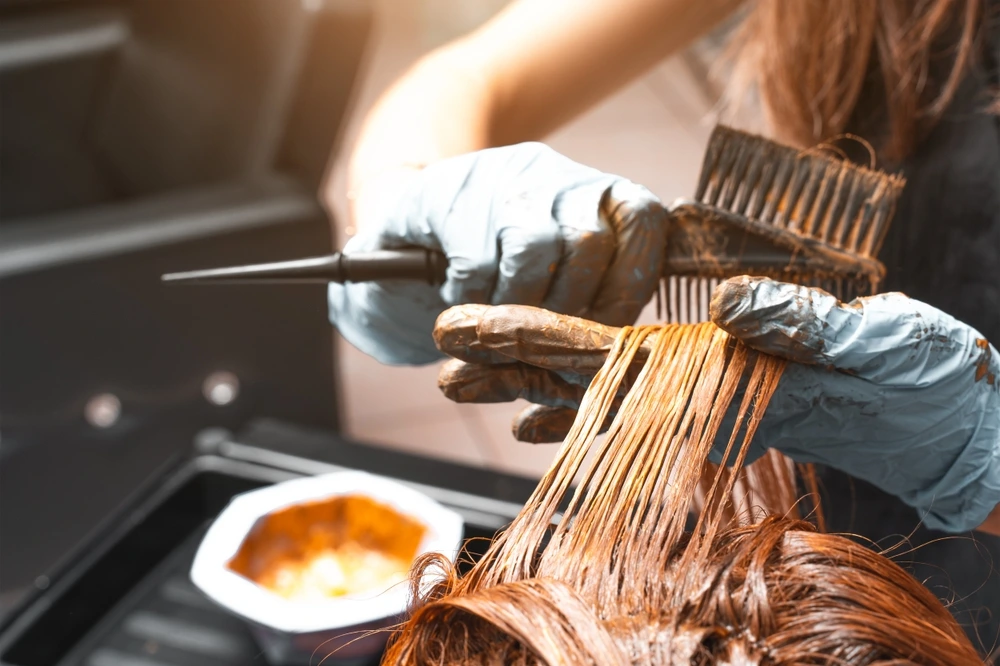
Hair color correction is an intricate, arduous, and time-consuming process – not to mention costly! The cost of professional hair color correction depends on the complexity of the task. As such, prices vary widely based on location, salon reputation, and experience of the stylist working on your hair. Another factor that might affect the cost is the severity of the problem that needs fixing. However, a basic hair color correction can run anywhere from $100 to $400 for a single session.
It’s essential to note that multiple sessions might be required depending on the difficulty or level of damage to your hair. While it may seem expensive in the short term, undertaking this could save you money by avoiding long-term damage to your hair.
Tips to Avoid Hair Color Mistakes
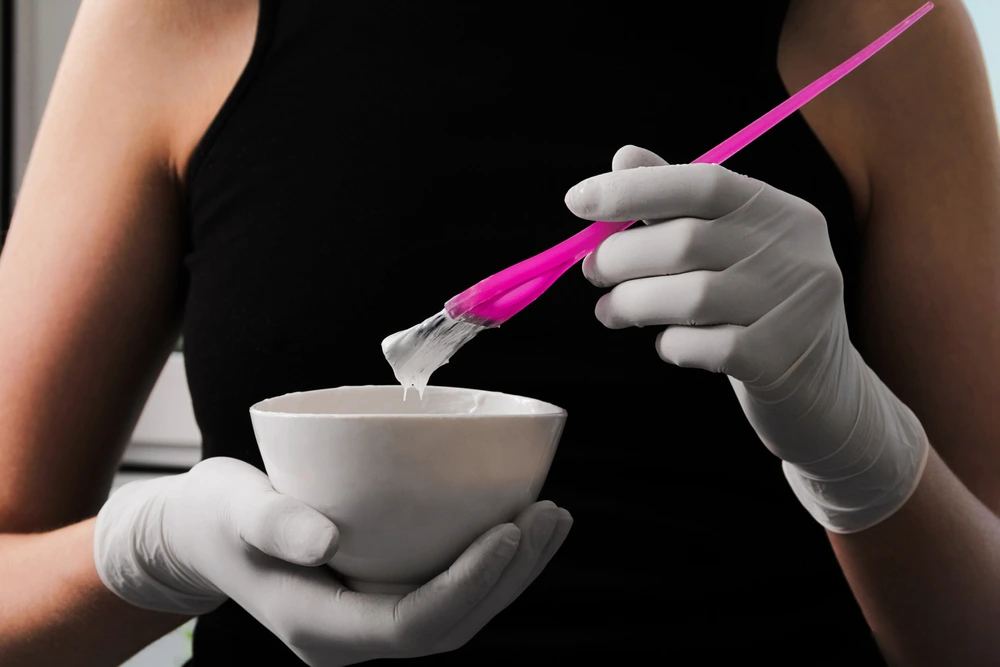
Hair color mistakes are common and often occur when one begins coloring their hair without proper preparation or guidance from professional stylists. Therefore, before coloring your hair, here are some tips to keep in mind:
Firstly, evaluate whether you want permanent or temporary dye. Permanent colors have more damaging effects as they contain ammonia and peroxide chemicals. This is why consulting with a professional hairstylist would go a long way in providing recommendations tailored specifically to you.
Secondly, it’s crucial to understand your skin tone and how it pairs with different shades of hair colors. Pick a shade that complements your skin tone instead of going for one just because someone else looked good in it.
Thirdly, avoid skipping patch tests before coloring your hair at home or with a new stylist. You could develop allergies or skin irritations if you don’t test the dye beforehand.
Fourthly, leaving the bleach too long on your hair can cause severe damage due to overprocessing. Ensure you avoid leaving any products applied for longer than necessary – even if the color is not dark enough to your desire.
Lastly, ensure regular touch-ups or color refreshers every six weeks. This ensures that you don’t have noticeable hair growth and can maintain the luster of the original color.
