
Bleached Hair Levels: Tips for Managing Different Color Tones
Managing bleached hair requires a deep understanding of hair color levels. It is essential because hair color levels range from 1, the darkest shade of black, to 10, the lightest blonde, and each level reacts differently to bleach. Surprisingly, not all shades need aggressive treatment; the right knowledge can help you achieve your desired results without causing unnecessary damage. Now, let’s delve into and explore this further.
Determining the level of bleached hair involves understanding the initial natural hair level, the stages of lightening during the bleaching process, and factors impacting the time to reach the desired bleached level. For example, aiming for a platinum blonde shade from dark brown (levels 4-6) may require 1-2 bleaching sessions with suitable bleach strength and conditioning to minimize damage. Always consult with a hairstylist or professional colorist for personalized guidance.
Understanding Bleaching and Hair Color Levels
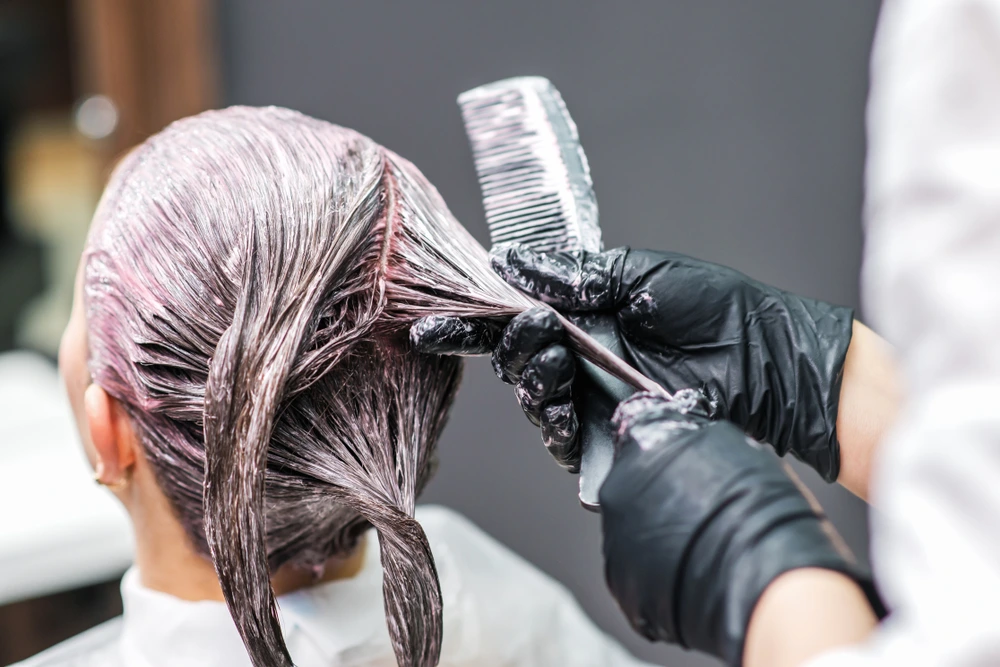
Bleaching your hair is akin to painting a picture; you need to know the color canvas you start with to match the final image in your mind. Your natural hair color lays the groundwork for how effective or challenging the bleaching process will be.
Hair color levels, from 1 to 10, span a wide spectrum, with each level representing a specific shade. For instance, level 1 is the darkest shade of black, while level 10 is the lightest shade of blonde. These levels determine how light or dark your hair is and influence how it responds to bleach.
To illustrate, imagine turning a dark brown paper into a bright white canvas. It takes more layers of white paint to cover the brown effectively than if you started with lighter tan paper. Similarly, if you have naturally dark hair (level 1-3), achieving a platinum blonde shade without causing damage can be challenging and require multiple bleaching sessions.
Conversely, light to platinum blondes (level 7-10) find it easier to achieve their desired bleached colors and may need just one bleaching session due to their lighter starting point. Understanding your natural hair level and how it impacts bleaching is crucial for avoiding excessive damage and achieving the desired result.
Determining Your Natural Hair Level
Determining your natural hair level is pivotal in setting expectations for the bleaching process. There are several ways to do this:
- Consult a Professional: A hairstylist or colorist can accurately assess your natural hair level using professional tools and experience.
- Use a Hair Color Chart: Hair color charts provide visual representations of different shades and levels, helping you accurately identify your natural hair level.
- Natural Lightening: Observing your hair in natural lightening can also provide valuable insights into its color level.
Knowing your natural hair level equips you with invaluable information for proceeding with a bleaching treatment. With this knowledge, you can make informed decisions regarding your desired bleached shade and plan for an optimal outcome.
Armed with an understanding of hair color levels and their impact on the bleaching process, selecting the correct developer for effective lightening treatments is paramount.
Choosing the Correct Developer
When lightening your hair, the developer’s choice plays a critical role in determining the level of lift and potential damage. Developers have different strengths, typically categorized as 10, 20, 30, and 40 volumes. The volume number indicates the amount of peroxide in the developer, which directly impacts how much it can lighten your hair. Selecting the correct developer strength is key to achieving controlled lightening without causing excessive damage to your hair.
- A 10-volume developer is suitable for toning and will be used when minimal lift or gray coverage is the goal.
- The 20-volume developer provides moderate lift compared to 10-volume and can generally lighten by one to two levels.
- 30-volume developer offers a strong level of lift, usually achieving about two to three levels of lightening.
- 40-volume developer delivers maximum lift capability but should be handled with extra care due to its potential to cause significant damage if not used correctly.
Choosing the right developer is crucial when lightening hair, as it determines the level of lift and potential damage. Developers come in strengths of 10, 20, 30, and 40 volumes, indicating the amount of peroxide. While higher volumes provide greater lightening results, they also pose a higher risk of hair damage. Consider your hair’s natural level and condition before selecting a developer strength.
For instance, a multi-step process may be needed if you have dark brown hair (level 4) and aim for a light blonde (level 9). Starting with a lower volume developer can minimize damage. Managing bleaching responsibly by making informed decisions to safeguard your hair’s health during the lightening process is essential. Understanding the nuances of lightening agents and techniques is crucial for achieving desired colors without compromising hair health. Now, let’s explore the precision and expertise required for the journey from medium brown to platinum.
How to Achieve the Desired Effect
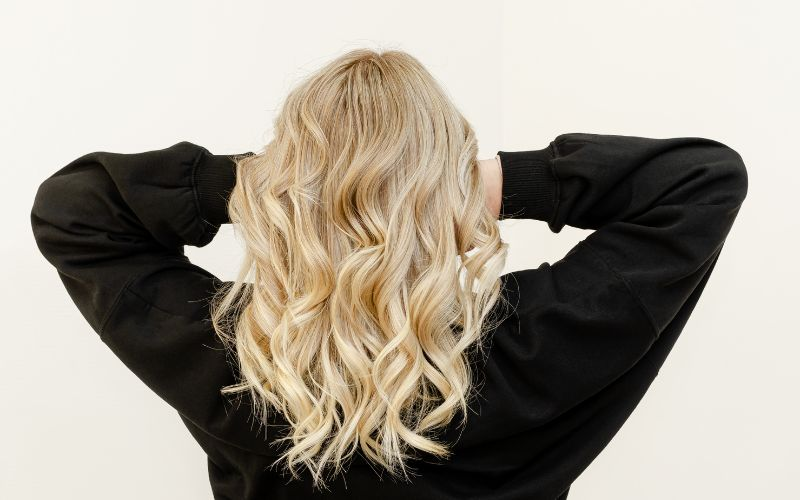
Lightening your hair from medium brown to platinum is exciting but delicate. It involves multiple stages, each demanding careful attention and precision to ensure the best results without damaging your hair. Let’s break down this complex process into simpler terms.
Stage 1: Lifting from Brown to Red Tones
When you have medium brown hair and want to reach a platinum blonde shade, the first step is to lift the color from brown to red tones. This can be challenging as it requires breaking through the natural pigments in darker hair shades. Depending on your starting hair level, this may take time and multiple bleaching sessions. It’s important to closely monitor the process to prevent over-processing, which can lead to damage and breakage.
Tip: Use a lower volume developer (around 20-30 volume) and closely monitor the color change during this stage.
Stage 2: Transitioning from Red to Yellow Tones
Once the dark brown pigments have been lifted to reveal red tones, the next goal is to transition from red to yellow tones. This is another critical juncture in the lightening process, where patience and precision are key. At this point, your hair may appear orange or brassy due to the exposed underlying pigments.
During this stage, it’s essential to carefully assess whether additional lightening sessions are needed before proceeding. Over-bleaching can cause excessive damage, so it’s crucial to determine if your hair is ready for the next phase of lightening.
Recommendation: Consider toning products or treatments to neutralize brassy tones and maintain hair health.
Stage 3: Shifting from Yellow to Pale Yellow
As you progress from red or orange tones to bright yellow, you are edging closer to achieving that coveted platinum blonde look. This stage requires precision in monitoring the lightening process and regular assessments of your hair’s condition. It’s important to be mindful of signs of stress or damage, such as brittleness or excessive dryness.
At this point, you may need toning treatments to counteract any remaining warmth in your hair and achieve a cooler, pale yellow base for further lightening.
Top Tip: Incorporate deep conditioning treatments into your routine to maintain optimal hair health throughout these stages of lightening.
Stage 4: Achieving the Desired Platinum Blonde Color
Finally, after successfully transitioning from dark brown to red, then yellow tones, you’ll reach the pinnacle of your lightening journey – the desired platinum blonde color. This transformative achievement culminates your meticulous efforts across multiple bleaching stages.
To ensure that your platinum blonde hair looks stunning and stays healthy, it’s crucial to continue prioritizing regular deep conditioning treatments and employing specialized products designed for maintaining platinum tones. Additionally, adopting heat-protective practices when styling will aid in preserving your newly achieved color and preventing potential damage.
Now that we’ve navigated through each stage of lightening from medium brown to platinum blonde, it’s clear that achieving this stunning color requires thorough care at every step of the way.
Post-Bleach Dye: Choosing the Optimum Hair Dye
After bleaching, your hair is vulnerable and needs extra care and attention, particularly in selecting the appropriate hair dye. Matching the dye shade with your bleached hair level is crucial to ensure the color turns out as anticipated and remains vibrant for longer.
Hair color levels range from levels 1-10, with 1 being the darkest shade of black and 10 being the lightest shade of blonde. Understanding your hair’s natural level is key to determining which hair dye will work best for you. For instance, if you have successfully lightened your dark brown hair to level 7 (light blonde), choosing a dye that complements level 7 hair is crucial for achieving the desired color without over-processing or damage.
Importance of Choosing the Right Shade
Selecting a hair dye shade that aligns with your bleached hair level is essential for optimal results. Dyeing your hair a shade too dark or too light can lead to unexpected color outcomes, whereas choosing the right shade ensures a harmonious result that complements your skin tone and personal style.
For instance, if your bleached hair is level 9 (very light blonde), a cool-toned ash blonde dye can help neutralize any remaining yellow undertones, resulting in a more desirable platinum blonde hue. On the other hand, using a warm golden blonde dye on light blonde hair may enhance warmth and add dimension, catering to personal preference and style.
You’ve achieved a beautiful platinum blonde shade at level 10. To maintain this tone and prevent brassiness, choosing a high-quality purple-toning shampoo and conditioner can be an effective way to preserve the coolness of the color between dyeing sessions.
Longevity and Color Retention
The longevity of your newly dyed hair color often depends on several factors, such as the quality of the dye, how well it was applied, and ongoing maintenance. Opting for professional-grade dyes or those recommended by hairstylists can contribute to longer-lasting, vibrant color results.
It’s also important to consider whether the chosen dye provides additional benefits, such as moisture retention, as overly drying dyes can compromise the health and luster of bleached hair.
With these guidelines in mind, you’re better equipped to navigate the world of bleached hair care. Let’s focus on exploring top toners for maintaining that alluring platinum blonde shade.
Maintaining Platinum Blonde: Top Toners Reviewed
So, you’ve gone through the bleaching process and achieved that perfect platinum blonde shade. But how do you maintain it? Toners are your secret weapon in keeping platinum blonde hair looking cool and vibrant.
What Do Toners Do?
| Benefits Of Toners | Effects |
| Neutralizes yellow or brassy tones | Keeps color cool and vibrant |
| Enhances overall look | Adds dimension to the hair |
A good toner neutralizes any unwanted yellow or brassy tones that may develop over time, helping to keep your color cool and vibrant. It works by subtly adjusting the tone of your hair to counteract any warmth that might creep in.
Picture it this way: Your platinum blonde hair is a delicate canvas that needs careful attention to maintain its ethereal shade. Think of toner as an artist’s tool – it adds depth and dimension to your hair, enhancing the overall look. It’s like being able to adjust the picture on your TV to get the color just right!
Now, let’s delve into some of the top toners specifically formulated for platinum-blonde hair:
Purple Shampoo and Conditioner
One popular option for maintaining platinum blonde hair is using purple shampoo and conditioner. These products contain purple pigment that helps neutralize any yellow undertones that may arise in your hair.
For instance, a blue toning conditioner specifically designed for dark and balayage hair contains coconut oil, shea butter, and avocado oil to revitalize hair while removing orange tones. This cruelty-free purple conditioner can be used with purple shampoo or alone to restore a shiny platinum shade without damaging chemicals.
By incorporating purple shampoo and conditioner into your regular hair care routine, you’re taking proactive measures to ensure that your platinum blonde remains fresh and vibrant between salon visits.
Foam Hair Toner
Another innovative solution for maintaining platinum blonde is a foam hair toner. This product is suitable for darker shades as it neutralizes brassy orange colors, adds volume and bounce to the hair, and works for all hair types.
Imagine this: You know how a cloudy day can make colors look dull? Well, think of foam hair toner as a ray of sunshine breaking through the clouds – it revitalizes your color and brings out its natural radiance.
Incorporating these top toners into your regular maintenance routine lets you keep your platinum-blonde hair looking fresh, cool, and vibrant. Remember, the key is regular upkeep, which will help you enjoy your stunning shade without worrying about unwanted brassiness or yellow tones.
Proper maintenance routines make achieving a flawless platinum blonde look more attainable than ever. Now, let’s uncover essential tips for nourishing and protecting bleached hair.
Nourishing and Protecting Bleached Hair: Essential Care Tips
Maintaining bleached hair takes a little extra effort, but it’s all part of keeping that gorgeous color looking its best while ensuring your hair remains healthy. Maintaining a consistent and effective care routine is key to keeping your bleached hair looking vibrant and lush. Your hair will thank you for it in the long run! Let’s explore some essential tips for nourishing and protecting your bleached locks.
Sulfate-Free Shampoo
Using a sulfate-free shampoo is vital for colored and bleached hair. Sulfates are harsh cleaning agents that can strip away the natural oils from your hair, leaving it dry and more prone to damage. Opt for shampoos specifically formulated for color-treated hair, as they are gentler on the strands and help preserve the vibrancy of your bleach.
Deep Conditioning Treatments
Regular deep conditioning treatments are a must for bleached hair. Bleaching can leave your hair dry and more susceptible to breakage. Using a rich, hydrating conditioner once or twice a week can provide much-needed moisture to parched strands, helping to restore softness and shine.
Heat Protectants
Use a quality heat protectant when styling hair with heat tools like blow dryers, curling irons, or flat irons. This product forms a protective barrier around the hair shaft, shielding it from the damaging effects of heat styling. It’s essential to prevent further damage to already vulnerable bleached hair.
Regular Trims
Bleached hair tends to be more prone to split ends, so scheduling regular trims every 6-8 weeks is crucial. Trimming off damaged ends keeps your hair healthy and fresh and prevents split ends from traveling up the hair shaft, causing more extensive damage.
Gentle Detangling
After bleaching, hair can become more fragile and prone to tangles. Opt for a wide-tooth comb or a gentle detangling brush to prevent breakage when removing knots or tangles. Start detangling from the ends and work up to avoid unnecessary strand stress.
By incorporating these essential care practices into your routine, you’re taking steps to preserve the health and vibrancy of your bleached locks and ensure that they remain strong, shiny, and beautiful.
For premium care products tailored to maintaining bleached hair at its best, explore our Hair Care. Give your bleached locks the love they deserve!
