
Deep Conditioning Treatment: How to Deep Condition Like a Pro
When it comes to achieving luscious, healthy locks, one of the key secrets lies in deep conditioning hair treatment. If you’re tired of dealing with dry, brittle, or frizzy hair or want to maintain your hair’s natural shine and vitality, then you’re in the right place. This comprehensive guide will explore everything you need to know about deep conditioning hair treatments, from what they are and how they work to the best practices and top product recommendations.
What is Deep Conditioning Hair Treatment?
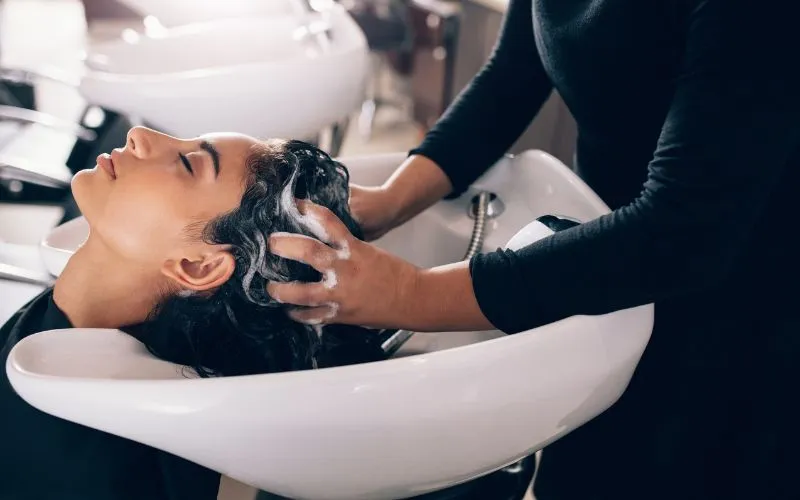
Deep conditioning hair treatment is a specialized hair care practice beyond regular conditioning. It involves the application of a rich, nourishing product to the hair to penetrate deeply into the hair shaft, repairing and revitalizing it from within. This treatment is particularly beneficial for individuals with damaged, over-processed, or dry hair, as it helps restore moisture, elasticity, and shine.
How Does Deep Conditioning Work?
Deep conditioning infuses the hair with essential nutrients and moisture, helping repair hair damage, strengthen strands, and improve overall hair health. Here’s how it typically works:
- Penetration: Deep conditioning treatments contain ingredients that can penetrate the hair shaft, such as proteins, oils, and vitamins.
- Moisture Restoration: The treatment replenishes lost moisture in the hair, combating dryness and preventing breakage.
- Repair: Ingredients like keratin and amino acids help repair damaged hair, including split ends and breakage.
- Sealing the Cuticle: Many deep conditioners seal the hair cuticle, reducing frizz and adding shine.
- Improving Elasticity: By strengthening the hair shaft, deep conditioning treatments enhance the hair’s elasticity, making it less prone to damage.
The Benefits of Deep Conditioning
Deep conditioning offers many benefits for all hair types, making it a must-have step in your hair care routine. Here are some of the key advantages:
Frizz Control
Deep conditioning treatments often contain excellent ingredients for taming frizz and managing unruly hair. These treatments reduce frizz and promote a sleek, polished appearance by smoothing the hair cuticle and providing ample moisture. This added control makes it easier to style your hair, whether you prefer a straight, sleek look or bouncy, defined curls. Deep conditioning allows you to enjoy frizz-free, more manageable hair even in humid conditions.
How to Deep Condition Your Hair

Now that you understand the benefits of deep conditioning let’s dive into the step-by-step process of how to properly deep condition your hair for optimal results:
Step 1: Shampoo Your Hair
Start by gently washing your hair with a shampoo to remove dirt, oil, or product buildup. Rinse thoroughly.
Step 2: Apply the Deep Conditioner
Apply a generous amount of deep conditioner to your hair, focusing on the mid-lengths and ends. Use a wide-tooth comb to distribute the product evenly.
Step 3: Heat and Wait
To enhance the effectiveness of the treatment, cover your hair with a shower cap or plastic wrap and use a warm, damp towel to wrap around your head. Leave the deep conditioner on for the recommended time (usually 15-30 minutes).
Step 4: Rinse and Cool
After the waiting period, rinse your hair thoroughly with cool water. This helps to seal the cuticle and lock in the moisture.
Step 5: Style as Usual
Style your hair as usual, and you’ll notice the immediate benefits of deep conditioning—soft, shiny, and revitalized locks.
Recommended Deep Conditioning Products
To make your deep conditioning routine even more effective, here are some highly-rated products to consider:
| Product Name | Key Ingredients | Benefits |
|---|---|---|
| 1. MoroccanOil Intense Hydrating Mask | Argan Oil, Linseed Extract | Provides intense hydration and restores elasticity. |
| 2. SheaMoisture Jamaican Black Castor Oil Treatment | Castor Oil, Shea Butter | Strengthens and repairs damaged hair. |
| 3. Olaplex No. 3 Hair Perfector | Bis-Aminopropyl Diglycol Dimaleate | Repairs and reduces breakage in all hair types. |
Dos and Don’ts of Deep-Conditioning

To ensure you get the most out of your deep conditioning routine, follow these dos and don’ts:
Dos
- Do Deep Condition Regularly: Incorporate deep conditioning into your weekly hair care routine. Consistency is key to maintaining healthy, hydrated hair.
- Choose the Right Product: Select a deep conditioner that matches your hair type and specific needs. Read product labels and reviews to make an informed choice.
- Do Pay Attention to Timing: Follow the recommended time for leaving the deep conditioner on your hair. Leaving it on longer than instructed may not yield better results and could damage your hair.
- Do Use Heat Wisely: If you choose heat, avoid overheating your hair, as excessive heat can cause damage. Use a low-temperature setting and avoid direct heat exposure for prolonged periods.
Don’ts
- Don’t Overload Your Hair: Too much product can damage your hair and leave it greasy. Follow the recommended amount for your hair length and thickness.
- Don’t Skip Regular Conditioning: Deep conditioning is essential, but don’t skip your regular conditioner. Deep conditioning should complement your daily hair care routine, not replace it.
- Don’t Use Hot Water: Avoid using hot water when rinsing your hair after deep conditioning. Hot water can strip away the benefits of the treatment and leave your hair dry.
- Don’t Neglect Your Scalp: While deep conditioning primarily focuses on the lengths and ends, don’t forget to care for your scalp. A healthy scalp is the foundation of healthy hair.
Incorporating these dos and don’ts into your deep conditioning routine will help you achieve the best results and maintain gorgeous, nourished hair.
Conclusion
FAQs
1. How often should I deep condition my hair?
For most hair types, deep conditioning once a week is sufficient. However, if your hair is severely damaged, you can deep condition it twice a week until it improves.
2. Can I use natural ingredients for deep conditioning?
You can create DIY deep conditioning treatments using coconut oil, honey, avocado, and yoghurt. These natural ingredients can be effective and chemical-free.
3. Should I use heat when deep conditioning?
Using heat, such as a warm towel or a hairdryer on a low setting, can help the deep conditioner penetrate your hair more effectively. However, it’s not mandatory and depends on your preference.
