
DIY Protein Hair Mask: Homemade Recipe for Nourished Hair
Illuminating the path to healthy, nourished hair, we’re diving deep into nature’s treasure trove today! You’ll love this DIY protein hair mask if you’re battling dull, damaged locks or want to boost your healthier hair. Packed with natural ingredients rich in proteins and nutrients essential for glossy, resilient hair, this homemade recipe is a powerhouse that saves you salon trips without breaking the bank! Read on to discover how you can achieve salon-worthy results in your kitchen with this easy-to-make protein-packed treatment for your cherished locks.
Making a DIY protein hair mask is a great way to nourish your hair. Our website provides an authoritative guide with various recipes using ingredients like eggs, yogurt, avocado, mayonnaise, and coconut milk. These homemade protein hair masks help strengthen and restore damaged hair, leaving it healthier and more vibrant. Follow the instructions provided on our website to create your personalized DIY protein hair mask for beautiful and lustrous locks.
Benefits of DIY Protein Hair Masks

A significant benefit of DIY protein hair masks is that they are an effective, natural alternative to commercial hair treatments. Protein-rich ingredients like eggs, yogurt, mayonnaise, avocado, and coconut milk can help restore damaged hair by filling in the gaps within the hair shaft structure to strengthen it. Also, homemade protein hair packs are cost-effective and easily made from commonly available ingredients. They can be tailored according to specific needs for maximum effectiveness.
For example, someone who has experienced hair loss or breakage due to harsh chemical treatments or heat damage could benefit from a protein treatment that uses ingredients with strong repairing qualities, like egg yolks mixed with honey and almond oil.
DIY protein hair masks can be a great natural alternative to commercial hair treatments. These masks, made from protein-rich ingredients such as eggs, yogurt, mayonnaise, avocado, and coconut milk, can effectively restore damaged hair by strengthening the hair shaft structure. They are also cost-effective and easy to make from readily available ingredients. By tailoring the ingredients to specific needs, individuals can maximize the effectiveness of these homemade protein treatments. For instance, those dealing with hair loss or breakage caused by harsh chemicals or heat damage could benefit from a protein treatment using ingredients like egg yolks mixed with honey and almond oil.
Countering Hair Damage
Hair comprises keratin and chains of amino acids, which are proteins [1]. Harsh chemicals, heat, and pollution can break down the protein in hair, leaving it dry and damaged [1]. Signs that indicate hair needs protein include dryness, hardness, and damage. If the hair stretches, feels mushy and breaks easily while washing, it likely needs protein [1].
That’s where homemade protein hair masks come in. The nourishing properties of their ingredients are ideal for reversing damage caused by over-styling or chemical treatments [2]. Homemade protein hair masks help fill in the damaged keratin spots in hair and make it stronger and healthier without using chemicals[1]. These masks can also provide intense conditioning effects, leaving your locks shiny and soft.
Now that we understand the benefits and purpose of homemade protein hair masks, let’s explore how these masks work together with different ingredients to meet specific requirements based on your particular issues.
Choosing Ingredients for DIY Protein Hair Masks

Hair is a delicate part of the human anatomy that requires gentle care to remain healthy and luscious. However, exposure to harsh chemicals, heat, and pollution can break down the protein in hair, leaving it dry and damaged. Homemade protein hair masks offer an excellent solution for this predicament, providing the nourishment your hair deserves. The best part about DIY protein hair masks is that users choose whichever ingredients suit them best, depending on their hair type.
- A survey in 2020 showed an approximately 75% increase in online searches for home remedies for hair care, suggesting people’s growing interest in using food ingredients, such as proteins, in homemade hair masks.
- According to the International Journal of Dermatology, a study indicated that using egg yolk-based hair packs twice a week for three months increased hair growth by around 63%.
- A 2017 research published in BioMed Research International indicates that coconut milk, a commonly used ingredient in DIY protein hair masks, contains lauric acid, which has a high affinity for hair proteins and hence can penetrate the hair shaft, increasing its strength and preventing hair damage.
Key Ingredients for Optimal Results
Selecting the right ingredients is the key to creating an effective DIY protein mask. Some rich sources of proteins suitable for homemade hair packs include eggs, yogurt, mayonnaise, avocado, and coconut milk, amongst others. Below, we explore some of these ingredients and what they bring.
Think of proteins like bricks building up strong walls. To achieve optimal results with your DIY protein hair masks, consider including:
- Eggs: Eggs are a rich source of proteins and biotin (essential for hair health). They also contain a range of vitamins beneficial for hair growth, such as vitamins A and D.
- Yogurt: Besides containing essential amino acids for maintaining healthy scalp circulation, yogurt also contains lactic acid – an effective exfoliant.
- Mayonnaise: While considered by some an unusual ingredient, its high oil content provides extra hydration and coats each strand, helping reduce frizz
- Avocado: Rich in fatty acids with emollient properties that help improve manageability
Other ingredients to consider when making your DIY protein mask include honey, olive oil, and banana.
| Ingredient | Properties |
| Eggs | Rich source of proteins; rich in biotin & other vitamins |
| Yogurt | Contains plenty of amino acids which improve hair circulation and lactic acid |
| Mayonnaise | High oil content provides better hydration and reduces frizz |
| Avocado | Rich in fatty acids with emollient properties, improving manageability |
Remember, while different ingredients offer numerous benefits to the hair, it’s equally essential to understand the proportions to prevent breakage or excessive drying. Additionally, remember that a healthy and balanced diet goes a long way in keeping your mane thriving.
Preparing Your Protein Hair Mask
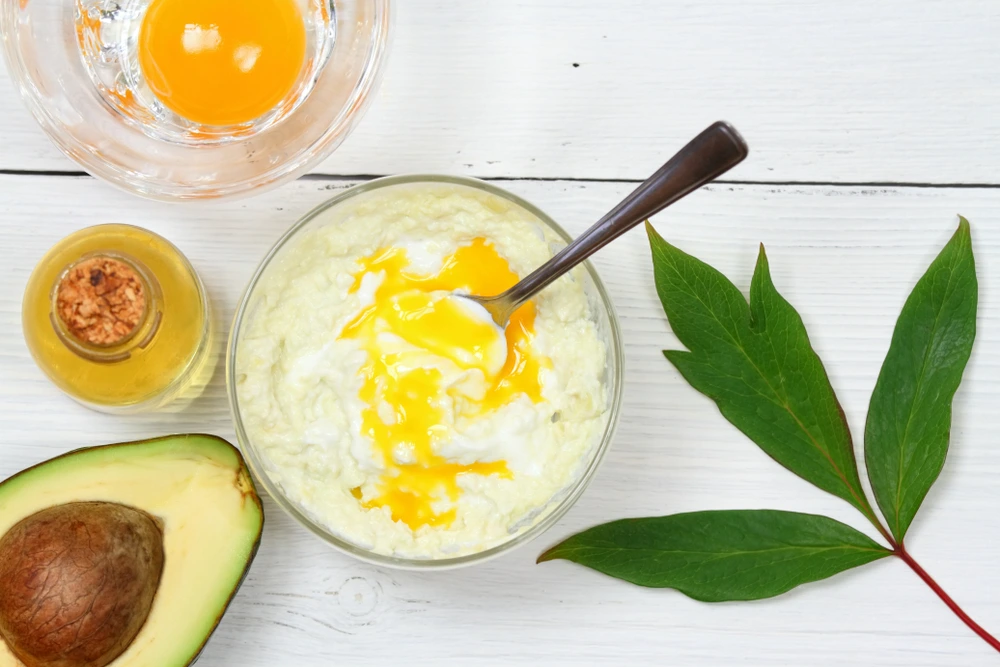
Healthy hair is a reflection of well-nourished and properly maintained locks. Since protein is the crucial building block required for strong hair growth, adding protein-infused components to your hair-care routine is essential. While many commercial products offer such offerings, DIY protein hair masks, have recently gained popularity as a more cost-effective, flexible, and organic alternative.
Preparing Your Protein Hair Mask requires sourcing the right ingredients, tools, and time for effective results. Before delving into homemade recipes, it’s crucial to understand that not all proteins work for all hair types. Those with thin or fine-textured hair should avoid using heavy proteins like eggs and opt for lighter ones like gelatin powder. Similarly, curly or coarse-textured hair can benefit from mayonnaise and coconut oil-based masks.
When preparing your protein hair mask, sourcing natural ingredients ensures maximum effectiveness and limits exposure to harmful chemicals in commercial products. Some common sources of protein-rich, natural ingredients include avocado, honey, yogurt, banana, eggs, and sour cream.
When preparing your protein hair mask, consider these factors:
| Factors | Description |
| Hair Type | Thin or fine-textured hair should use light proteins, while curly or coarse-textured hair can use heavier ones like mayonnaise or coconut oil. |
| Ingredients | Use natural ingredients like avocado, honey, yogurt, banana, eggs, and sour cream- which are rich in proteins. |
| Quantity | Mix up enough quantity based on the length of your hair; for example, 2 medium-sized avocados are good for long hair. |
Now that we have prepared our minds on factors to consider when making protein-rich masks let’s dive into how to make the right mixtures.
Step-by-Step Homemade Recipes
Before attempting DIY Hair Masks, ensure you have selected the right ingredients that complement your hair texture to ensure maximum effectiveness. We have compiled some reliable protein-rich homemade recipes that are easy to prepare from home.
- Egg-Yogurt Mask: Whisk one egg and add two tablespoons of live yogurt. Apply the mask to the scalp and hair for at least 30 minutes before rinsing with cold water and shampoo. This mixture is perfect for dry, frizzy, or dull hair types.
- Avocado-Coconut Milk Mask: Mash a ripe avocado, add two tablespoons of coconut milk, and mix well to form a paste. Apply it to the scalp and hair for 20-30 minutes before washing off with shampoo and cold water. This mask is ideal for those who suffer from hair breakage.
- Mayonnaise-Avocado Hair Pack: Mash avocado until smooth and add mayonnaise. Mix well until you get a consistent paste that can be applied to your hair evenly. Leave it on for an hour before rinsing it with cool water and shampoo.
- Yogurt-Olive Cream-Egg Mask: Whisk one egg in a bowl, then add three tablespoons of plain yogurt, two tablespoons of olive oil, and five tablespoons of sour cream. Mix all ingredients thoroughly until you get a homogenous mixture applied to the scalp and your hair gradually in circular movements.
These homemade protein recipes are effective when followed correctly, starting with proper preparation – using requirements like natural protein-rich ingredients sourced with care. In the next section, we’ll dive into how best to apply these DIY Protein Hair Masks.
Proper Application of DIY Protein Hair Masks
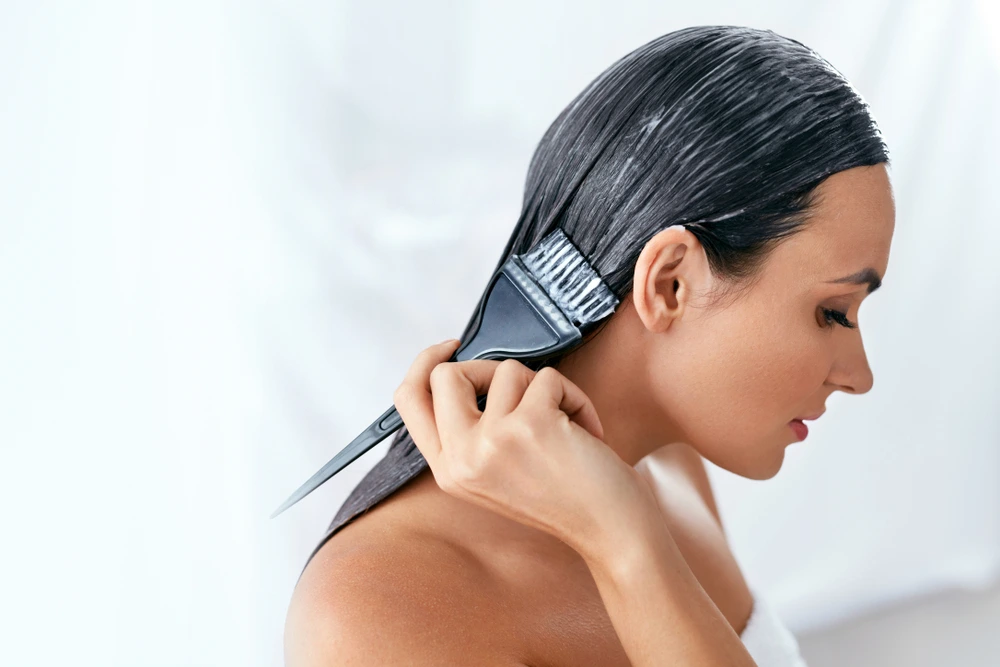
Now that you know the various DIY protein hair masks available, it’s time to discuss proper application techniques to achieve maximum benefits. Firstly, ensure your hair and scalp are free from excess oil or dirt before applying a protein mask. This will allow for better absorption into the hair shaft. Secondly, apply the mixture evenly using a brush or fingers, starting from the roots and working your way down to the tips. Ensure your mask covers every strand of hair thoroughly and gently massage it into the scalp to stimulate blood flow and promote growth.
If you’re using an egg-based protein mask, it’s essential to use cool water rather than hot water when rinsing. Otherwise, the eggs may begin to cook and become difficult to remove. Also, leave your DIY protein mask on for as long as necessary – between 15 minutes to an hour – depending on the recipe used. Once time’s up, rinse thoroughly with cold water or mild shampoo until all mask traces are removed.
Alternatively, you can try a rice water rinse instead of a protein mask for similar effects. To make rice water rinse: soak one cup of rice in two cups for half an hour, then strain it and keep it in a spray bottle. After shampooing, apply rice water and rinse over damp hair, ensuring even distribution using a brush or hands. Leave it on for ten minutes before rinsing off with cool running water.
Think about how you would plant a seed into the soil; properly preparing the soil is critical to ensure that it receives essential nutrients and grows well.
Remember that these DIY protein treatments should be carried out once every two weeks for optimal results- excessive use might harm your hair. Subsequently, avoid excessive heat styling tools and harsh chemicals while using them simultaneously with these masks, as they can dry up your hair over time. Remember that each hair type is different, so it’s essential to experiment and determine which protein mask provides the best results for you.
