Hair Tips

Why Does My Hair Get Oily So Fast? Understanding the Factors

Struggling with oily hair that seems to become greasy at an alarming rate can be a frustrating ordeal. Despite our best efforts to maintain cleanliness and hygiene, some of us find ourselves constantly battling against the persistent sheen of excess oil on our locks. If you’ve ever wondered why your hair seems to get oily so fast, you’re not alone. In this comprehensive guide, we’ll delve into the intricate factors that contribute to rapid oil buildup in hair. From genetic predispositions to environmental influences, understanding the underlying causes is the first step towards effectively managing oily hair. Join us as we explore the physiology of oily hair, uncover the various factors at play, and provide practical solutions to help you achieve a fresh, vibrant mane that lasts longer between washes. Whether you’re a seasoned veteran in the fight against oiliness or just starting to navigate the complexities of hair care, this article aims to equip you with the knowledge and tools necessary to conquer oily hair once and for all.

Understanding the Physiology of Oily Hair

Understanding the physiology of oily hair begins with recognizing the essential role of the scalp’s sebaceous glands. These glands produce sebum, a natural oil that moisturizes and protects the hair and skin. While sebum is crucial for maintaining scalp health and hydration, excessive production can lead to oily hair. Genetic factors heavily influence sebum production, meaning individuals with a family history of oily hair are more likely to experience the same. Additionally, hormonal fluctuations, particularly during puberty, pregnancy, or menopause, can affect sebum secretion, leading to increased oiliness. By comprehending the intricate balance of sebum production and its impact on hair health, individuals can tailor their hair care routines to effectively manage oily hair and promote scalp equilibrium.
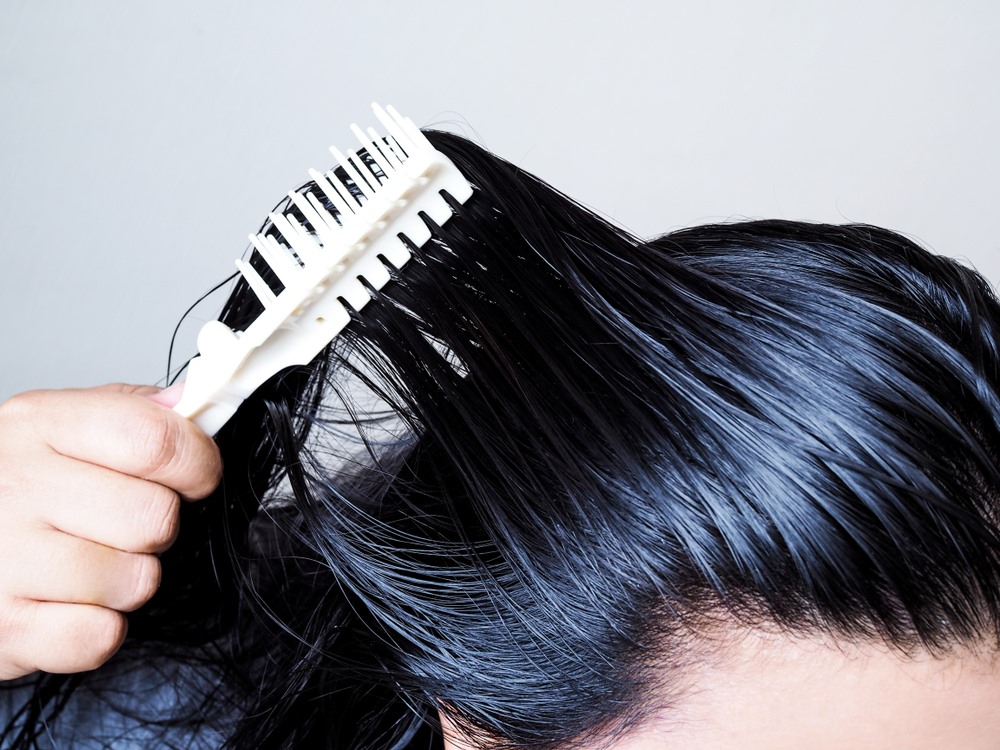
Factors Contributing to Fast Oil Buildup

Factors Contributing to Fast Oil Buildup

Understanding the reasons behind fast oil buildup in your hair is essential for effective management. Several factors can contribute to this phenomenon, ranging from genetic predispositions to environmental influences. By identifying these factors, you can implement targeted strategies to combat oily hair and maintain a fresh, healthy scalp.

Genetic Predisposition

Genetics play a significant role in determining your hair type and oil production. If your parents have naturally oily hair, there’s a good chance you may inherit the same trait. While you can’t change your genetic makeup, understanding this predisposition can help you tailor your hair care routine accordingly.

Hormonal Fluctuations

Fluctuations in hormone levels, such as during puberty, pregnancy, or menopause, can impact sebum production. These hormonal changes can lead to an increase in oiliness, making your hair greasier than usual. Managing hormonal fluctuations through lifestyle changes or medical intervention may help regulate oil production.

Washing Habits

Overwashing your hair can strip away natural oils, prompting the scalp to produce more oil to compensate. Conversely, infrequent washing can lead to oil buildup, exacerbating the problem. Finding the right balance and frequency of washing is crucial for maintaining scalp health and oil levels.

Environmental Factors

Environmental factors, such as pollution, humidity, and exposure to certain styling products, can contribute to oily hair. Pollution and dirt can accumulate on the scalp, while humidity can exacerbate oil production. Additionally, heavy styling products can weigh down hair and increase oiliness. Protecting your hair from environmental stressors and choosing lightweight, oil-free products can help mitigate these effects.

Dietary Influences

Dietary factors can also impact sebum production and oiliness. Consuming a diet high in fats and sugars can stimulate the sebaceous glands, leading to increased oil production. Conversely, a balanced diet rich in vitamins, minerals, and antioxidants may help regulate oil levels and promote scalp health.

Understanding how these factors contribute to fast oil buildup in your hair is the first step towards effectively managing oily scalp and hair. By addressing these underlying causes and implementing targeted strategies, you can maintain a healthy balance of oil production and enjoy fresh, vibrant hair every day.

Tips to Manage Oily Hair

Tips to Manage Oily Hair

While dealing with oily hair can be challenging, implementing the following tips can help you keep it under control:

  • Use a Clarifying Shampoo: Opt for clarifying shampoos that effectively remove excess oil and buildup from the scalp without stripping it of essential moisture.
  • Limit Washing: Resist the urge to wash your hair daily. Instead, try washing every other day or every few days to allow your scalp to regulate its oil production naturally.
  • Choose the Right Products: Use lightweight, oil-free hair products specifically designed for oily hair to prevent weighing it down further.
  • Blot, Don’t Rub: When drying your hair, avoid vigorously rubbing it with a towel, as this can stimulate oil production. Instead, gently blot excess moisture to minimize friction.
  • Avoid Overbrushing: Brushing your hair too frequently can distribute oil from the scalp to the lengths of your hair. Limit brushing to prevent spreading excess oil.
  • Experiment with Hairstyles: Opt for hairstyles that help camouflage oily roots, such as braids, ponytails, or updos.

Conclusion

In conclusion, managing oily hair requires a comprehensive approach that addresses both internal and external factors influencing oil production. By understanding the physiology of oily hair, identifying contributing factors such as genetics, hormonal fluctuations, washing habits, environmental influences, and dietary factors, you can implement targeted strategies to control oil buildup and maintain a healthy scalp. From choosing the right hair care products to adopting a balanced diet and lifestyle, each step plays a crucial role in achieving long-lasting results. By incorporating these tips into your daily routine and staying mindful of your hair’s unique needs, you can confidently bid farewell to fast oil buildup and embrace hair that looks and feels fresh, vibrant, and healthy.

FAQs

How often should I wash my oily hair?

It’s best to strike a balance when washing oily hair, as overwashing can strip away essential oils, while infrequent washing can lead to oil buildup. Generally, washing every other day or every few days is recommended to keep your scalp clean without triggering excess oil production. However, individual preferences and lifestyle factors may influence the optimal washing frequency. Experiment with different routines to find what works best for you, considering factors such as hair texture, activity level, and environmental conditions.

Can diet affect oily hair?

Yes, diet plays a significant role in influencing sebum production and overall scalp health. Consuming a diet high in fats and sugars can stimulate the sebaceous glands, leading to increased oil production and greasy hair. Conversely, a balanced diet rich in fruits, vegetables, lean proteins, and omega-3 fatty acids can help regulate oil levels and promote scalp health. Additionally, staying hydrated by drinking plenty of water is essential for maintaining healthy skin and hair.

Are there any home remedies for oily hair?

Several home remedies can help manage oily hair by absorbing excess oil and clarifying the scalp. For example, applying a vinegar rinse or aloe vera gel to the scalp can help balance oil levels and soothe irritation. Clay masks, such as bentonite or kaolin clay, are also effective in absorbing oil and impurities from the scalp. However, it’s essential to use these remedies sparingly and not to overdo it, as they may strip away too much oil and cause dryness. Experiment with different home remedies to find what works best for your hair type and scalp condition.

Naomi

Introducing Naomi, the creative mind and passionate soul behind your go-to destination for all things hair care, products, and extensions. With a mane that effortlessly rivals Rapunzel's, Naomi isn't just a hair enthusiast – she's a Certified Hair Alchemist, magically transforming the world of hair one strand at a time. Aged 30 and hailing from the vibrant tapestry of Asian culture, Naomi brings a unique perspective to the world of haircare. Her journey started with a fascination for the artistry of hairstyling, which soon evolved into an unwavering commitment to mastering the science behind it all.

Leave a Reply

Your email address will not be published. Required fields are marked *