
Perming Your Hair During Pregnancy: What You Need to Know
When it comes to pregnancy, women often find themselves questioning what is safe and what isn’t. One common concern is whether it’s safe to perm your hair during pregnancy. While many women desire to maintain their hair routines, the health of the developing fetus should always be the top priority. This comprehensive guide will explore the safety of perming your hair during pregnancy, the potential risks involved, and alternative options to help you make an informed decision.
Understanding the Safety of Perming Your Hair During Pregnancy
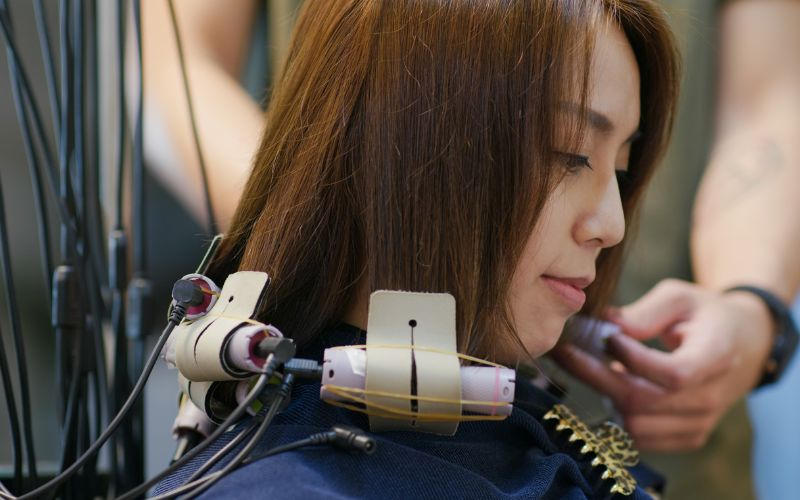
Significant hormonal changes during pregnancy can affect your hair, but perming during this time may pose risks due to chemical exposure and skin sensitivity. It’s essential to consider the potential effects on both you and your baby.
Hormonal Changes and Hair Care
During pregnancy, a woman’s body undergoes significant hormonal changes. These hormonal fluctuations can affect various aspects of your body, including your hair. Some women experience thicker, shinier hair, while others may notice changes in hair texture and growth. Understanding these hormonal shifts is crucial when considering any hair treatment during pregnancy, including perming.
Possible Side Effects of Hair Perming
Hair perming involves using chemicals to alter the hair’s natural structure. While there isn’t concrete evidence to suggest that perming is inherently unsafe during pregnancy, it’s essential to be aware of potential side effects. These side effects can include:
- Chemical Exposure: The chemicals used in the perming process can be absorbed through the scalp, potentially reaching the bloodstream. Although the amount absorbed is minimal, it’s a factor to consider when pregnant.
- Allergic Reactions: Hormonal changes during pregnancy can make your skin more sensitive, increasing the risk of allergic reactions to perming chemicals.
Is It Safe to Get a Perm While Pregnant?
While research on perming during pregnancy is limited, healthcare professionals advise caution. It’s best to consult your healthcare provider and wait until the second trimester if you choose to proceed, prioritizing proper ventilation and safety measures.
Research on Hair Perming and Pregnancy
There is limited scientific research specifically addressing the safety of hair perming during pregnancy. However, the consensus among healthcare professionals is that it’s best to err on caution and avoid unnecessary chemical exposure during this critical period.
Consult Your Healthcare Provider
If you’re considering getting a perm while pregnant, it’s advisable to consult your healthcare provider or obstetrician. They can provide personalized advice based on your health and pregnancy.
Timing Matters
If you decide to get a perm during pregnancy, it’s safer to wait until the second trimester, when the risk of congenital disabilities is lower. Even during this time, proper salon ventilation is essential to minimize chemical exposure.
Why Should You Avoid Perms and Other Hair Treatments While Pregnant?

Chemical Exposure
Perming involves using chemicals like ammonia and thioglycolic acid, which release fumes. Prolonged exposure to these chemicals can potentially harm both the mother and the developing fetus.
Allergic Reactions
Pregnancy can make your skin more sensitive, increasing the risk of allergies. Even though the chemicals are improper, salon ventilation is essential for irritation and more severe issues.
Uncertainty About Safety
The lack of comprehensive research on the safety of hair perms during pregnancy means there’s uncertainty about potential risks. It’s always best to prioritize your and your baby’s health and well-being.
What Other Hair Treatments Should You Avoid?
During pregnancy, it’s not just perms that you should be cautious about. Here are some other hair treatments and practices to avoid:
- Hair Dye: While there’s limited evidence linking hair dye to pregnancy complications, minimizing exposure to hair dye chemicals is still advisable.
- Keratin Treatments: These treatments often contain formaldehyde, which can be harmful when inhaled or absorbed through the skin.
- Hot Oil Treatments: The high temperatures used in hot oil treatments can potentially harm the developing fetus.
When Can You Get a Perm Post-Pregnancy?
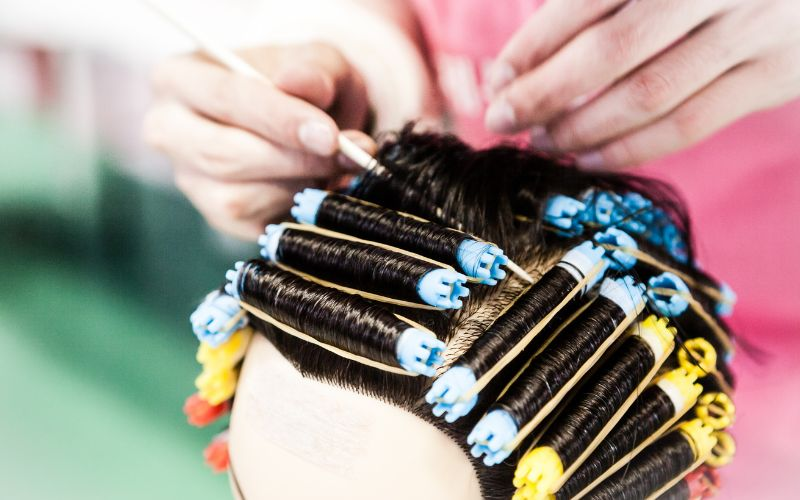
If you decide to postpone hair perming until after giving birth, you might be wondering when it’s safe to do your and your baby’s health and well-being are some general guidelines:
- Wait for Hormonal Changes to Stabilize: Your hormones can take some time to return to pre-pregnancy levels. It’s advisable to wait until your body has undergone these changes, which can take several months.
- Consult Your Healthcare Provider: Before scheduling a perm post-pregnancy, it’s a good idea to consult your healthcare provider to ensure no underlying health concerns might affect your decision.
Alternatives for Hair Styling During Pregnancy
If you’re looking for ways to change your look without using chemicals or undergoing potentially risky hair treatments during pregnancy, here are some alternatives:
- Hair Accessories: Wonder with different stories like headbands, scarves, or hairpins to create new styles.
- Natural Hairstyles: Embrace your natural hair texture and explore different hairstyles that don’t require chemicals or heat styling.
- Temporary Hair Color: If you want to add some color to your hair, consider quick hair color products that wash out easily and don’t involve harsh chemicals.
Conclusion
FAQs
1. Can I get a permit during my first trimester of pregnancy?
It’s generally not recommended to get a perm during the first trimester due to the increased risk of congenital disabilities. It’s safer to wait until the second trimester if you choose to do so.
2. How can I minimize chemical exposure during a hair perm while pregnant?
To minimize exposure, make sure the salon is well-ventilated, and consider wearing a mask. Additionally, opt for a shorter perm process to reduce the time your hair is in contact with the chemicals.
3. Are there any pregnancy-safe alternatives to hair perms?
Yes, pregnancy-safe alternatives exist, such as embracing natural hairstyles, using temporary hair colors, or experimenting with hair accessories to change your look without chemicals.
