
How to Get Rid of Oily Hair: Natural Remedies and Tips
Imagine sporting a chic hairstyle only to lose its charm due to that persistent oily sheen. We’ve been there, and we understand the struggle. Excessive oil on the scalp can lead to unwanted hair issues like dandruff and greasy hair, which are hard to control and affect your overall appearance. But hold on; there’s no need to let this dampen your spirits or your style. Harnessing the power of natural remedies can provide a long-lasting solution to oily hair. Say goodbye to greasiness with our top tips for healthy, oil-free hair. Get ready to regain that fresh, out-of-the-salon look you love so much!
This article provides comprehensive tips and strategies for treating and managing oily hair. From proper shampooing techniques to using suitable hair products and natural remedies, we offer guidance to help you combat excessive oil production and achieve healthier, less greasy hair. Follow our expert-recommended methods to improve the condition of your hair and regain control over oiliness.
Effective Hair Cleansing Techniques
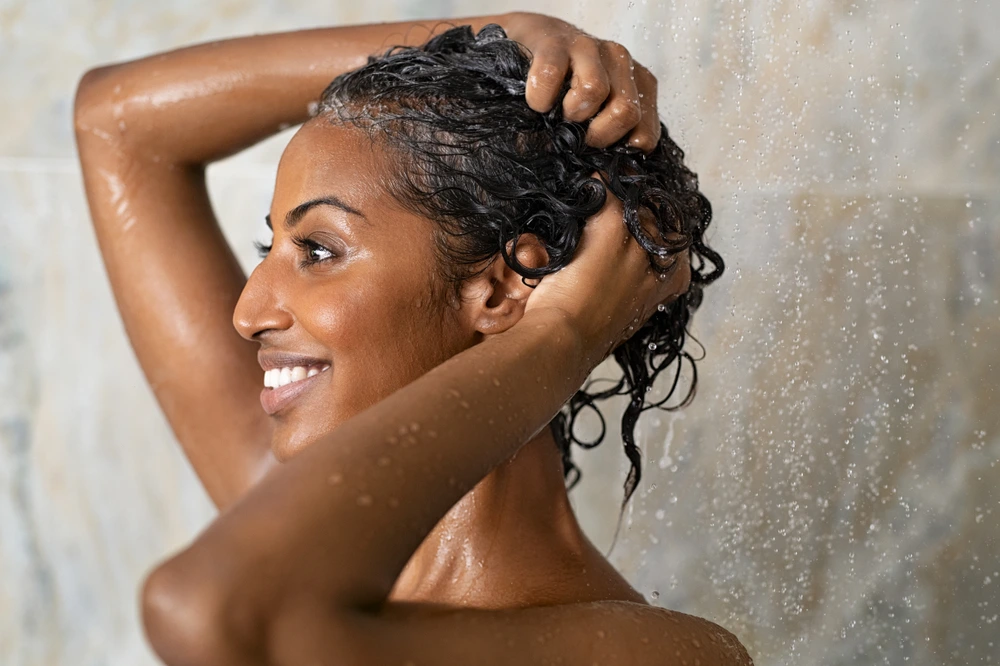
Having oily hair can be frustrating and challenging to manage. However, with the right cleansing techniques, it’s possible to maintain healthy-looking hair without frequent washing. Hair should ideally be washed every two to three days, but it might require more frequent cleansing for those with oily hair. One effective technique involves massaging the scalp gently while shampooing; this promotes circulation and helps evenly distribute oils across the scalp. It’s also crucial to avoid excessive brushing or using hot water as these strip essential oils away.
Shampoos for Excess Oil
Choosing the appropriate shampoo is critical when managing oily hair. Here are some shampoos that work effectively for excess oil:
- Best Overall: Suave Essentials Daily Clarifying Cleansing Shampoo – Lightweight and easily removes oil and dirt while avoiding dryness.
- Best Value: L’Oreal Paris Elvive Extraordinary Clay Rebalancing Shampoo – Suitable for those on a budget; removes oil without drying the scalp and softens hair.
- Best for Thin Oily Hair: Kenra Professional Volumizing Shampoo – Deeply cleanses hair and prepares strands for styling.
- Best Gentle Shampoo: Shu Uemura Cleansing Oil Shampoo – Soothes itchy scalp and has a pleasant scent; keeps hair from becoming greasy post-wash.
- Best Refreshing Shampoo: Aveda Rosemary Mint Purifying Shampoo – Packed in recycled packaging, it smells refreshing, leaving reviewers washing it every three days instead of daily.
- Best for Oily Scalp: K18 Biomimetic Hairscience Peptide Prep Detox Shampoo – Promote healthy growth, detoxify hair, and remove buildup for deep cleaning of an oily scalp.
- Best Balancing Shampoo: Harklinikken Stabilizing Shampoo – Suitable for oily roots/dry ends, balancing the microbiome and promoting better conditions for healthier hair growth.
- Best Sulfate-Free: Olaplex No. 4 Bond Maintenance Clarifying Shampoo – Gently clarifies and improves shine without stripping hair.
- Best Purifying: Alpine Provisions Vetiver + Sage Shampoo – Environmentally conscious packaging purifies and clarifies buildup on the scalp with plant-derived ingredients.
- Best for Oily Hair and Dandruff: Head & Shoulders Instant Oil Control Dandruff Shampoo – Contains proven dandruff-fighting ingredients and controls oil while reducing itchiness.
Experimenting can be useful when finding the perfect shampoo for each individual’s needs. However, remember that overwashing or using a shampoo with harsh chemicals can trigger excessive oil production on the scalp, so use discretion!
- According to the American Academy of Dermatology, nearly 50% of the US population suffers from oily scalp and hair issues.
- A 2017 survey conducted by a leading hair care brand revealed that approximately 62% of people tend to wash their hair every day due to excessive oil production.
- As per a dermatology poll in 2020, around 35% of individuals using specific shampoos designed for oily hair reported a noticeable reduction in oiliness after two weeks.
Deep Cleansing Procedures
Regular cleansing is essential to prevent excess oil buildup if you have oily hair. However, it’s not just about washing your hair frequently; it’s also about using the right products and methods to clean your scalp deep. This section will explore deep cleansing procedures to help you effectively manage oily hair.
One popular deep cleansing method is using a clarifying shampoo. Unlike regular shampoos that only remove surface-level oils and dirt, clarifying shampoos contain stronger detergents that penetrate deeper and lift off product buildup from the scalp and hair strands. To use a clarifying shampoo, wet your hair and apply the product to your scalp, massaging gently to work the suds into your hair. Leave it on for 3-5 minutes before rinsing thoroughly with water.
Other deep cleansing methods include baking soda and apple cider vinegar rinses, which effectively remove excess oil and restore the natural pH balance of your scalp. To use baking soda, mix a tablespoon of the powder with a cup of warm water and apply it to your scalp using a cotton pad or spray bottle. Wait for 5-10 minutes before rinsing with warm water. For an apple cider vinegar rinse, dilute two tablespoons of apple cider vinegar in one cup of water and apply it to your hair after shampooing. Massage into your scalp before rinsing it thoroughly.
| Deep Cleansing Procedures |
| Clarifying Shampoo |
| Baking Soda Rinse |
| Apple Cider Vinegar Rinse |
Continuing our discussion of deep cleansing procedures, let’s discuss natural remedies for managing oily hair.
Natural Remedies for Oily Hair

Natural remedies effectively maintain healthy and balanced hair without harsh chemicals or expensive treatments. Here are some remedies you can try at home:
Think of your scalp as a garden that needs nourishment with natural ingredients to flourish.
Tea Tree Oil
One popular natural remedy is tea tree oil, which has antifungal and antibacterial properties that help reduce dandruff and excess oil production. Add a few drops of tea tree oil to your shampoo before washing your hair. Another effective ingredient is witch hazel, which helps soothe the scalp and reduce inflammation. After shampooing, you can mix witch hazel with water and apply it to your hair.
Aloe Vera
Another remedy is aloe vera, which cools and moisturizes the scalp while removing excess oil and product buildup. Apply aloe vera gel or juice directly to your scalp and leave it on for 30 minutes before rinsing it with cool water.
Coconut Oil
Coconut oil is another popular ingredient in hair masks since it helps nourish hair strands while removing excess oils from the scalp. Mix coconut oil with honey, yogurt, or apple cider vinegar to obtain an all-natural hair mask that you can apply once a week.
Herbal Solutions
Herbal remedies have been touted as a natural cure for oily hair. Herbs’ anti-inflammatory and antioxidant benefits can help soothe itchy scalps while regulating sebum production. Some popular herb options include:
- Rosemary contains several essential oils that act as an astringent and mild antiseptic. Billing rosemary sprigs in water is recommended, allowing it to cool and then using it to rinse your hair.
- Lemongrass possesses anti-fungal properties that can combat excessive oiliness. Make a lemongrass infusion by boiling lemongrass stems in water, straining the mixture, and using it to rinse your scalp.
- Chamomile has anti-bacterial properties that can help alleviate dandruff and itchiness caused by greasiness. Steep chamomile flowers in hot water and let them cool before applying them as a final rinse.
However, it’s important to note this remedy may not be effective for severe cases of oily hair.
Revamping Your Hair Care Routine

Revamping your hair care routine can make all the difference when managing greasy hair. Here are some suggestions:
- Shampooing every day can remove excess oil from the scalp. However, washing your hair less frequently can help balance out oil production if you have dry skin or an itchy scalp. – When shampooing, focus on the roots and scalp, gently working the shampoo in. Avoid using nails or creating friction on the strands, as aggressive scrubbing can irritate the scalp and stimulate more oil production. Conditioner should be applied only to the ends of the hair and thoroughly rinsed.
- Using straightening irons and blow dryers can make hair look greasy faster. Letting air-dry hair can extend the time between washes and prevent heat damage.
- Clarifying shampoo with stronger detergents can help lift oil and leave the hair grease-free. Mild baby shampoos are suitable for frequent use. – Cleaning styling tools with shampoo or gentle soap helps remove buildup that can make hair dirty immediately after washing.
- Aloe vera can be used as a hair and scalp mask to remove extra oil, fight product buildup, soothe the scalp, and protect strands.
- Hair products containing silicones can add shine and build up on the hair, making it look greasy, dirty, and weighed down.
- Being gentle when washing, brushing, styling, or scratching your head is important, as irritating the scalp overstimulates oil glands. Ensure proper rinsing removes any residue that can make hair look dirty and itchy.
- Limiting touching or playing with your hair throughout the day helps prevent stimulating oil glands.
- Dry shampoo can absorb oils temporarily but leaves a residue that can make hair and scalp feel gritty. It’s best to use it occasionally.
- Adding a lightweight conditioner to oily hair can replenish moisture without triggering excessive oil production.
- Oily hair may result from too many hair products, causing product buildup or poor rinsing during shampooing. Switching the order of conditioning and shampooing or using a leave-in conditioning spray on ends only can help.
Remember to be patient – changes might not happen overnight. By slowly incorporating these tips into your routine, you should start seeing improvements in your oily hair condition over time.
Now that we have discussed revamping your hair care routine, let us dive deeper into specific changes one could make.
Suggestions for Product Switching
If you’re struggling with oily hair, there’s a good chance that your products are incompatible. Fortunately, switching to a different brand or formula might do the trick. Here are some tips to consider:
- Opt for lightweight shampoo and conditioner that won’t weigh your hair down.
- Look for products labeled “clarifying” or “oil-balancing.” These products contain ingredients that help regulate oil production on your scalp.
- Avoid using heavy styling products, such as pomades and oils, which can exacerbate oil buildup.
- Consider using a dry shampoo in between washes to absorb excess oil.
Remember that everyone’s hair reacts differently to different products. If one brand doesn’t work for you, don’t be afraid to try another.
Lifestyle Changes for Healthier Hair
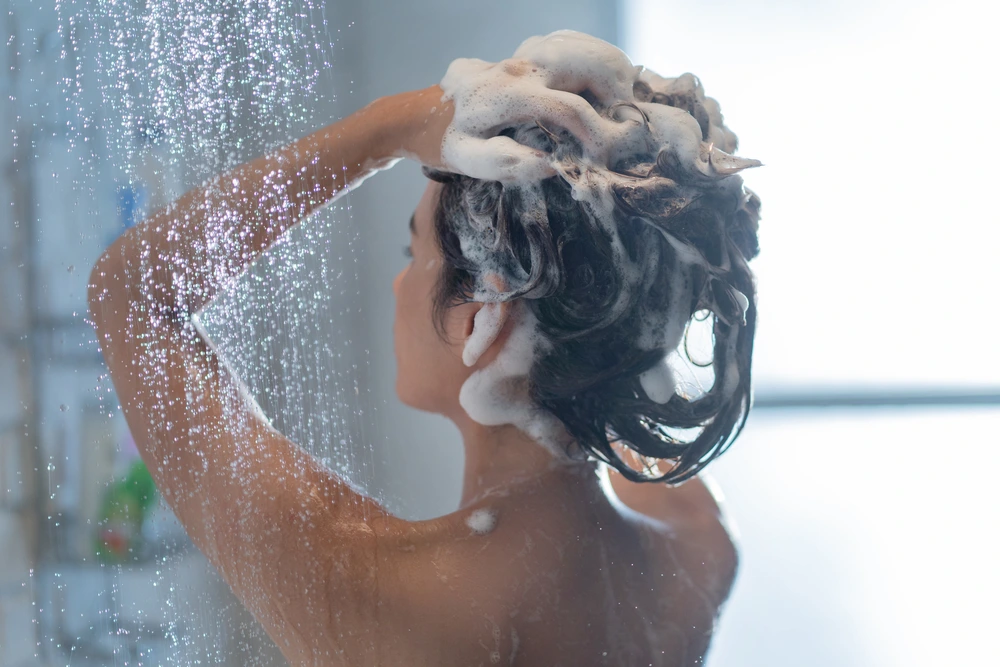
Lifestyle changes can also make a big difference in reducing excess oil production on your scalp. Here are some habits to incorporate into your routine for healthier hair:
- Wash your hair regularly: Frequent washing can help remove excess oil and buildup from your scalp and prevent clogged hair follicles.
- Use lukewarm water: Hot water can strip your scalp of its natural oils, causing it to produce even more oil in response. Stick to lukewarm water when washing your hair.
- Limit heat styling: High temperatures from blow-dryers, flat irons, and curling irons can cause your scalp to produce more oil. Try air-drying your hair whenever possible, or use lower heat settings on styling tools.
- Be gentle: Vigorous scrubbing or brushing can stimulate oil production on the scalp. Gently massage shampoo into your scalp with soft fingertips rather than vigorously scrubbing with your nails.
- Watch your diet: Eating a well-balanced diet rich in vitamins and minerals can promote healthy hair growth and reduce excess oil production on the scalp.
Remember, it’s important to be patient when making lifestyle changes. Don’t expect instant results, but these habits can help reduce oil production on your scalp and lead to healthier-looking hair.
