
The Benefits of Black Seed Oil for Hair: A Comprehensive Guide
If you’re searching for luscious, healthy locks, you’ve likely stumbled upon various remedies and products that promise to transform your hair. One such natural remedy that has gained popularity in recent years is black seed oil. Extracted from the seeds of the Nigella Sativa plant, black seed oil is renowned for its numerous health benefits, including its potential to promote hair growth and improve hair quality. In this comprehensive guide, we’ll delve into the benefits of black seed oil for hair, exploring its uses, applications, and the science behind its effectiveness.
What is Black Seed Oil?
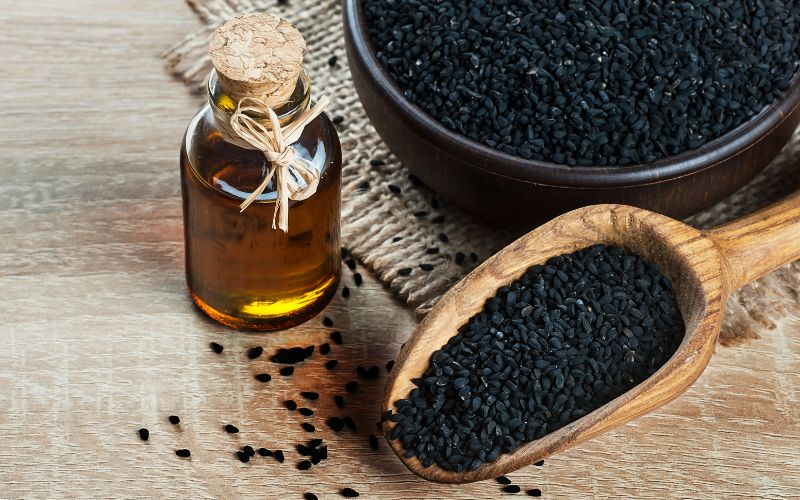
Black seed oil, also known as Nigella Sativa oil, is a dark, aromatic oil extracted from the seeds of the Nigella Sativa plant. This plant, native to South Asia, has been used for centuries in traditional medicine and cuisine. Historical records suggest that black seed oil was highly valued by ancient civilizations like the Egyptians and Romans for its therapeutic properties.
The Composition of Black Seed Oil
Black seed oil is a rich source of bioactive compounds that contribute to its various health benefits. These compounds include:
- Thymoquinone: This is the primary active ingredient in black seed oil and is responsible for its antioxidant, anti-inflammatory, and antimicrobial properties.
- Fatty Acids: Black seed oil contains essential fatty acids such as linoleic and oleic acids, which nourish the hair and scalp.
- Vitamins and Minerals: It is also packed with vitamins A and B and minerals like zinc, magnesium, and calcium, all of which support hair health.
How Does Black Seed Oil Benefit Hair?
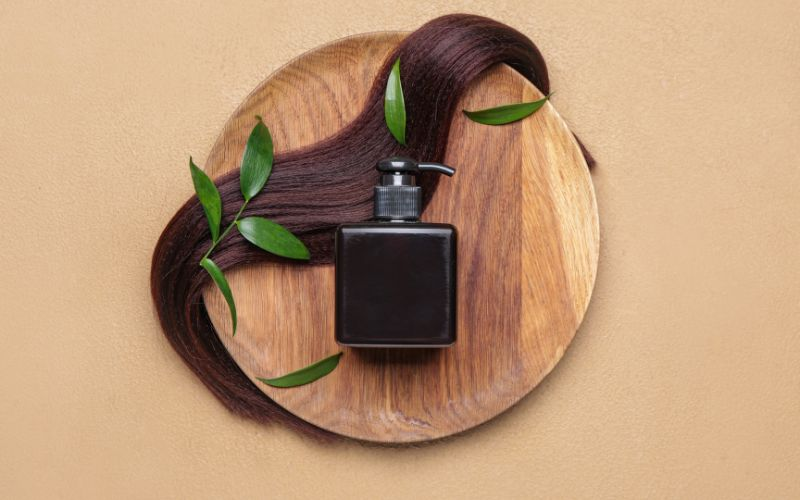
Black seed oil offers several advantages for hair health:
- Promotes Hair Growth: Thymoquinone, the key compound in black seed oil, has been shown to stimulate hair follicles, leading to increased hair growth.
- Strengthens Hair: The fatty acids in black seed oil help strengthen hair strands, reducing breakage and split ends.
- Prevents Dandruff: The antimicrobial properties of black seed oil can help combat scalp infections, reducing dandruff and itching.
Using Black Seed Oil for Hair: Application Methods
There are various ways to incorporate black seed oil into your hair care routine:
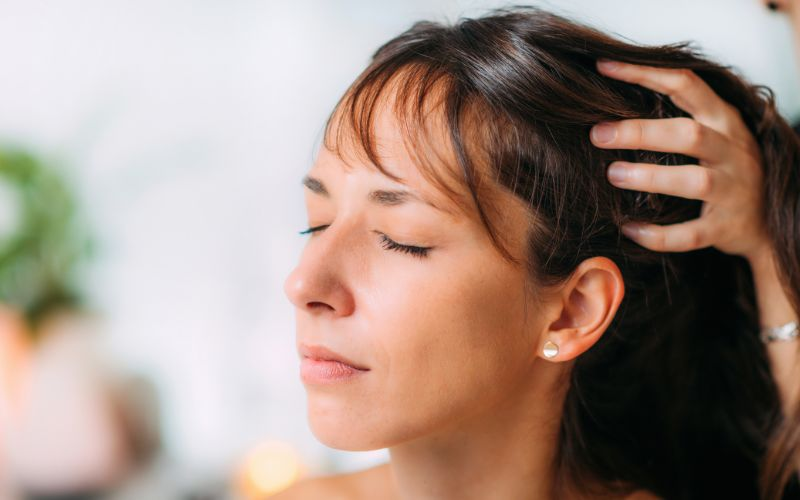
- Topical Application: Mix a few drops of black seed oil with a carrier oil like coconut or jojoba oil and massage it into your scalp. Leave it on for at least 30 minutes before washing it out.
- Hair Masks: Create a nourishing hair mask by combining black seed oil with yogurt and honey. Apply it to your hair and leave it on for 30-45 minutes before rinsing.
- Shampoo and Conditioner: Look for hair products that contain black seed oil as an ingredient for a convenient way to include it in your routine.
Scientific Evidence Supporting Black Seed Oil for Hair

Several scientific studies have investigated the potential benefits of black seed oil for hair:
- A study published in the Journal of Dermatology & Dermatologic Surgery found that thymoquinone, a major component of black seed oil, can promote hair growth by increasing the number of hair follicles.
- Another study published in the International Journal of Pharmacology reported that black seed oil can significantly reduce hair loss and improve hair density.
These studies provide promising evidence for the effectiveness of black seed oil in enhancing hair growth and quality.
Potential Side Effects and Precautions
While black seed oil is generally considered safe for topical use, it’s essential to be aware of potential side effects, such as skin irritation or allergic reactions. Always perform a patch test before applying black seed oil to your scalp or hair to ensure you don’t have a negative reaction.
Pregnant or nursing women, individuals with known allergies to black seed oil, or those taking specific medications should consult a healthcare professional before using it for hair care.
Additional Tips for Maximizing the Benefits of Black Seed Oil for Hair
To make the most of black seed oil for your hair, consider the following tips:
- Maintain a Healthy Diet: Your hair’s health is closely tied to overall well-being. Ensure you consume a balanced diet of vitamins, minerals, and proteins to support strong and vibrant hair.
- Stay Hydrated: Proper hydration is essential for healthy hair growth. Drinking an adequate amount of water helps keep your hair and scalp hydrated.
- Limit Heat Styling: Excessive heat styling tools can damage your hair. Whenever possible, minimize using hair dryers, straighteners, and curling irons to prevent heat-related hair issues.
- Protect Your Hair from the Sun: Just as you protect your skin from the sun’s harmful rays, consider using a hat or UV-protective hair products to shield your hair from sun damage.
- Manage Stress: Chronic stress can lead to hair problems. Practice stress-reduction techniques such as meditation, yoga, or deep breathing exercises to maintain your hair’s health.
- Regular Trimming: Regular hair trims help remove split ends and keep your hair looking healthy and vibrant.
- Consult a Professional: If you have severe hair concerns or are experiencing significant hair loss, it’s advisable to consult a dermatologist or a trichologist for a thorough evaluation and personalized treatment recommendations.
Conclusion
In conclusion, black seed oil offers numerous benefits for hair health, from promoting hair growth to strengthening hair strands and preventing dandruff. While it’s not a miracle cure for baldness, it can be a valuable addition to your hair care routine, especially when used consistently and with other healthy hair practices. As with any natural remedy, it’s essential to consult with a healthcare professional if you have concerns or experience adverse effects. With proper use and care, black seed oil can contribute to achieving the vibrant and healthy hair you desire.
FAQs
1. Can black seed oil cure baldness?
Black seed oil may help stimulate hair growth and reduce hair loss, but it is unlikely to cure baldness completely. Its effectiveness varies from person to person, and results may take time to become noticeable.
2. How often should I use black seed oil for my hair?
It’s recommended to use black seed oil for hair care 2-3 times a week for the best results. Consistency is key to seeing improvements in hair health.
3. Can I use black seed oil on its own, or should I mix it with carrier oil?
While you can use black seed oil on its own, it’s advisable to dilute it with a carrier oil like coconut or olive oil to prevent irritation and make it easier to apply evenly to your hair and scalp.
